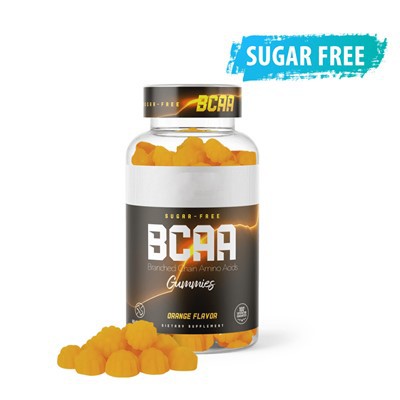
Hey there, fitness enthusiasts and health buffs! If you're into working out, you've probably heard of BCAAs, or Branched - Chain Amino Acids. They've been a staple in the fitness supplement world for ages. And today, I'm here to chat with you as a BCAA gummies supplier about whether BCAA gummies have a unique formulation.
Let's start with the basics. BCAAs are essential amino acids, which means your body can't produce them on its own. You've got to get them from your diet. The three main BCAAs are leucine, isoleucine, and valine. They play a crucial role in muscle protein synthesis, reducing muscle soreness, and even helping with exercise recovery.
Now, traditional BCAA supplements usually come in powder or pill form. But in recent years, BCAA gummies have hit the market, and they're becoming super popular. So, do they have a unique formulation?
The Gummy Advantage
One of the most obvious things about BCAA gummies is the form. They're a lot more fun to take than powders or pills. I mean, who doesn't like a little gummy treat? But there's more to it than just the taste.
Gummies need to have a formulation that allows them to hold their shape and have that chewy texture. This means that in addition to the BCAAs, there are other ingredients involved. For example, there are usually gelatin or pectin, which act as gelling agents. Gelatin is derived from animal sources, while pectin is a plant - based alternative. This is a big deal for people who have dietary restrictions, like vegetarians or vegans. Some BCAA gummies are formulated with pectin, making them suitable for a wider range of consumers.
Another aspect of the formulation is the flavoring. Gummies come in all sorts of delicious flavors, like strawberry, lemon, or watermelon. These flavors are added to make the supplements more palatable. But it's not just about taste. The flavoring agents need to be carefully selected to ensure they don't interfere with the stability or effectiveness of the BCAAs.
The BCAA Content
When it comes to the actual BCAAs in the gummies, the formulation can vary. A good quality Best BCAA Gummies should have a proper ratio of leucine, isoleucine, and valine. Generally, a 2:1:1 ratio of leucine to isoleucine to valine is considered ideal. This ratio has been shown to be effective in promoting muscle protein synthesis and reducing muscle fatigue.
However, not all BCAA gummies are created equal. Some suppliers might cut corners and not use the right ratio or might use lower - quality BCAAs. As a BCAA gummies supplier, I take pride in ensuring that our gummies have the optimal ratio and high - quality BCAAs. We source our ingredients from reliable suppliers and conduct rigorous testing to make sure that each gummy contains the right amount of BCAAs.
Additional Ingredients
Many BCAA gummies also have additional ingredients that can enhance their benefits. For example, some contain vitamin C. Vitamin C is a powerful antioxidant that helps protect your cells from damage caused by free radicals. When you work out, your body produces more free radicals, and vitamin C can help counteract their effects.
Other gummies might include electrolytes like potassium and sodium. These are important for maintaining proper hydration and muscle function. During a workout, you lose electrolytes through sweat, and replenishing them can help prevent muscle cramps and improve performance.
The Science Behind the Formulation
The formulation of BCAA gummies is based on scientific research. Scientists have studied the effects of BCAAs on muscle health and performance for years. The unique formulation of gummies takes this research into account and combines it with the need for a stable, palatable product.
For example, the way the BCAAs are encapsulated in the gummy matrix affects their absorption. Some formulations are designed to release the BCAAs slowly, providing a sustained supply of amino acids to your muscles over time. This is different from some powder supplements, which might release the BCAAs all at once.
Comparing with Other Forms
When you compare BCAA gummies with other forms of BCAA supplements, the differences in formulation become even more apparent. Powders are usually just the BCAAs mixed with a flavoring agent. They don't have the same structural components as gummies. Pills are also more straightforward, with the BCAAs compressed into a solid form.
Gummies, on the other hand, have a more complex formulation. The gelling agents, flavorings, and additional ingredients all work together to create a unique product. And because of the way they're formulated, they can be a great option for people who have trouble swallowing pills or who don't like the taste of powder supplements.
Why Choose Our BCAA Gummies
As a BCAA gummies supplier, I believe our products stand out. We've spent a lot of time perfecting the formulation. Our gummies have the right ratio of BCAAs, high - quality ingredients, and great flavors. Whether you're a professional athlete or just someone who likes to stay active, our BCAA gummies can be a great addition to your routine.
We also understand that transparency is important. That's why we're happy to provide information about our formulation and ingredient sources. We want you to feel confident in the products you're putting into your body.


Ready to Try?
If you're interested in learning more about our BCAA gummies or if you're thinking about placing an order for your store or personal use, I'd love to chat. We're always open for business and eager to discuss our products with you. Whether you're a retailer looking to stock up or an individual looking for a high - quality BCAA supplement, we've got you covered.
In conclusion, BCAA gummies do have a unique formulation. From the gelling agents to the flavoring and the additional ingredients, they offer something different from traditional BCAA supplements. And as a BCAA gummies supplier, I'm excited to be part of this growing trend in the fitness industry.
References
- Campbell, B., et al. (2017). International Society of Sports Nutrition position stand: branched - chain amino acids. Journal of the International Society of Sports Nutrition, 14(1), 21.
- Wolfe, R. R. (2001). Effects of amino acids on muscle protein metabolism. Journal of Nutrition, 131(9), 2357S - 2361S.