Are there any allergens in vitamin C gummies?
As a well - established supplier of vitamin C gummies, I'm frequently confronted with the question: "Are there any allergens in vitamin C gummies?" This concern is entirely valid, given that food allergies are an increasingly common health issue affecting millions of people worldwide. In this blog, I aim to comprehensively answer this question and provide detailed insights into the allergen profile of vitamin C gummies.
Vitamin C gummies are a popular and convenient way to supplement one's diet with this essential nutrient. They are especially favored by children and adults who may have difficulty swallowing traditional pills or capsules. However, the manufacturing process and ingredient selection can introduce potential allergens.
Let's first examine the common ingredients found in vitamin C gummies. The core ingredient, of course, is vitamin C, which is generally non - allergenic. Most commonly, ascorbic acid, a widely used form of vitamin C, is used in these gummies. Ascorbic acid is a simple chemical compound that rarely causes allergic reactions.
But the story doesn't end with vitamin C. Gummy candies, including vitamin C gummies, typically contain other components such as sweeteners, thickeners, flavorings, and colorings. These additional ingredients can be a source of allergens.

Sweeteners are a major category where allergens might lurk. Many vitamin C gummies are sweetened with sugars, such as sucrose, glucose, or fructose. These are usually safe for most people, but in rare cases, some individuals may have an allergy to corn - derived sweeteners like high - fructose corn syrup, as corn can be an allergen for some.
Artificial sweeteners like aspartame or sucralose are also sometimes used. While they are generally considered safe, there have been reports of allergic - like reactions in some sensitive individuals. However, these cases are extremely rare.
Thickeners are another area of potential concern. Gelatin is a commonly used thickener in gummies. Gelatin is derived from animal collagen, usually sourced from cows or pigs. For individuals with religious or ethical dietary restrictions, or those with allergies to beef or pork, gelatin can be a problem. Vegetarian and vegan options of vitamin C gummies often use alternatives like pectin, which is derived from fruits and is generally less likely to cause allergic reactions.
Flavorings and colorings are added to enhance the taste and appearance of vitamin C gummies. Natural flavorings can be derived from a variety of sources, including fruits, nuts, and spices. If a gummy uses a natural flavoring derived from a common allergen like peanuts, almonds, or strawberries, it could pose a risk to those with allergies to these substances.
Similarly, artificial colorings can also be a source of allergic reactions. Some people may be sensitive to certain synthetic dyes, such as Red 40 or Yellow 5. These dyes have been associated with allergic - like symptoms in some individuals, including skin rashes, itching, and respiratory problems.
At our company, we take allergen management very seriously. We understand that the safety of our customers is of utmost importance. That's why we carefully select our ingredients and conduct thorough testing to ensure that our vitamin C gummies are as safe as possible.
We source our vitamin C from high - quality suppliers and use only the purest forms of ascorbic acid. When it comes to sweeteners, we offer a range of options, including natural sugars and artificial sweeteners, to accommodate different dietary needs. For thickeners, we provide both gelatin - based and pectin - based gummies to meet the requirements of different consumers.
In addition, we clearly label all potential allergens on our product packaging. This includes information about the presence of common allergens such as milk, eggs, peanuts, tree nuts, wheat, soy, and fish. We believe in being transparent with our customers so that they can make informed decisions about which products are suitable for them.
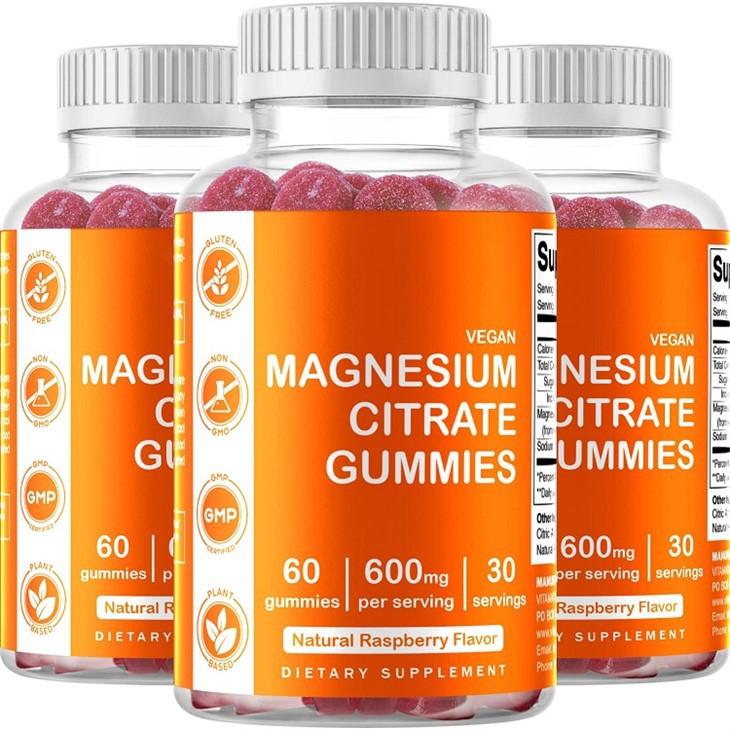
One of our popular products, the Vitamatic Magnesium Gummies, follows the same strict allergen management protocols. We ensure that all ingredients are carefully selected and tested to minimize the risk of allergic reactions.
If you have specific allergies or dietary restrictions, it's always a good idea to read the product label carefully before purchasing any vitamin C gummies. You can also contact our customer service team for more detailed information about the ingredients and manufacturing process.
In conclusion, while vitamin C itself is generally non - allergenic, the other ingredients in vitamin C gummies can potentially contain allergens. However, with proper ingredient selection, testing, and labeling, the risk of allergic reactions can be significantly reduced.
If you're interested in sourcing high - quality vitamin C gummies for your business or personal use, we'd be more than happy to discuss your needs. We pride ourselves on our commitment to quality and safety, and we're confident that our products will meet your expectations. Feel free to reach out to us to start a conversation about purchasing and to learn more about our product range.
References
- Sicherer, S. H., & Sampson, H. A. (2014). Food allergy: Epidemiology, pathogenesis, diagnosis, and treatment. Journal of Allergy and Clinical Immunology, 133(2), 291 - 307.
- Shek, L. P., & Ng, D. (2002). The rising prevalence of food allergy. Current Opinion in Allergy and Clinical Immunology, 2(3), 231 - 235.
- Taylor, S. L., & Hefle, S. L. (2002). Food allergies and hypersensitivities. In Encyclopedia of Food Science and Nutrition (2nd ed., pp. 2039 - 2046). Academic Press.