


Hey there, fitness enthusiasts! As a protein powder supplier, I get asked a ton of questions about protein powders. One of the most common ones is, "Can I mix different types of protein powder?" Well, let's dive right into it and find out.
First off, let's talk about the different types of protein powders out there. There are whey, casein, soy, pea, and hemp, just to name a few. Each type has its own unique characteristics and benefits.
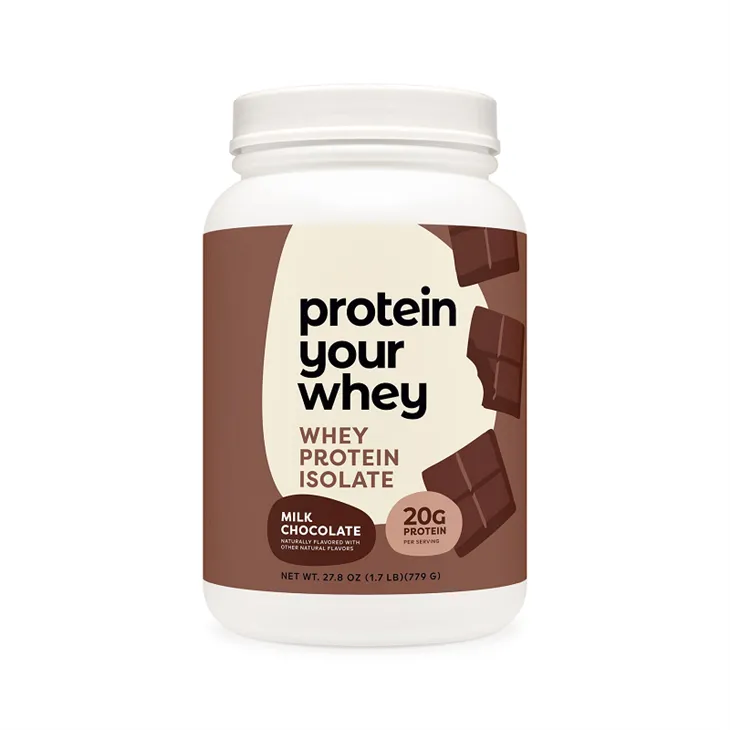
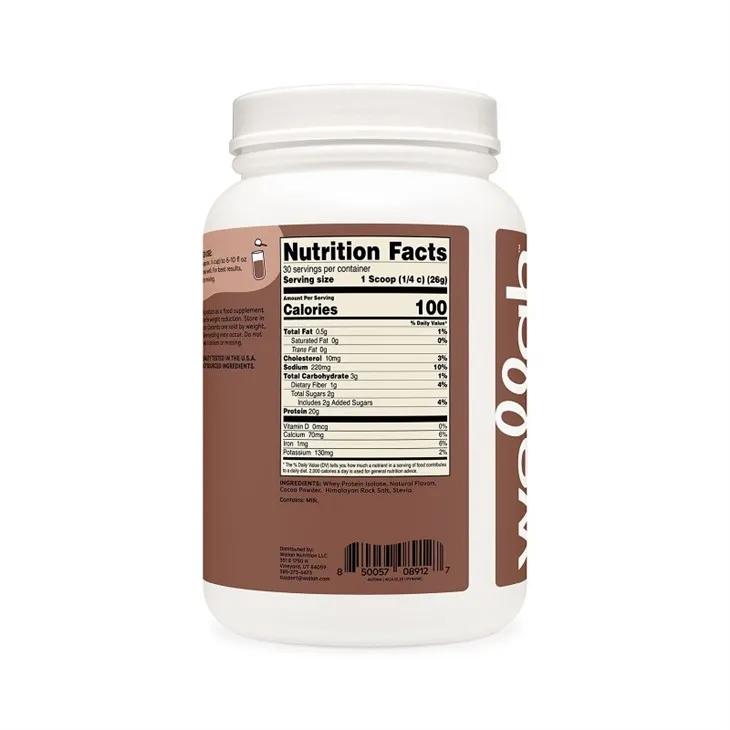
Whey protein is super popular because it's quickly digested and absorbed by the body. It's great for post - workout recovery as it can quickly deliver amino acids to your muscles. You can check out Protein Your Whey Powders for some high - quality whey options.
Casein, on the other hand, is a slow - digesting protein. It forms a gel in the stomach, which means it releases amino acids slowly over time. This makes it a good choice to take before bed, as it can keep your muscles fed with nutrients while you sleep.
Soy protein is a plant - based option that's a complete protein, meaning it contains all the essential amino acids. It's also a great choice for vegetarians and vegans. Pea protein is another plant - based alternative. It's hypoallergenic and easy to digest, making it suitable for people with food sensitivities. Hemp protein is rich in healthy fats and fiber in addition to protein.
So, can you mix them? The short answer is yes, you can. In fact, mixing different types of protein powders can be a great idea for several reasons.
One of the main benefits is getting a more complete amino acid profile. Different proteins have different amino acid compositions. By mixing them, you can ensure that you're getting a wider range of essential amino acids. For example, whey is high in branched - chain amino acids (BCAAs), which are crucial for muscle growth and repair. But it might be lacking in some other amino acids that soy or pea protein can provide.
Another advantage is varying the digestion rates. If you mix a fast - digesting protein like whey with a slow - digesting protein like casein, you get an immediate supply of amino acids from the whey, and then a sustained release from the casein. This can be especially beneficial for people who have long gaps between meals or for those who are trying to maintain a positive nitrogen balance in their bodies for muscle building.
Let's talk about some popular combinations. A classic one is the whey - casein blend. You can mix them in a shake and have it after a workout. The whey will kick - start the recovery process right away, and the casein will keep working in the background. Another combination is a plant - based blend, like pea and soy. This is a great option for those following a plant - based diet. It gives you a good amount of protein without relying on animal products.
However, there are a few things to keep in mind when mixing protein powders.
First, pay attention to the taste. Some proteins have a stronger flavor than others. For example, whey can have a sweetish taste, while hemp protein can have a more earthy flavor. You might need to experiment a bit to find a combination that you like. You can add some fruits, nuts, or flavorings to your shake to make it more palatable.
Second, consider your goals. If your main goal is to build muscle, you might want to focus more on proteins with high BCAA content, like whey. If you're on a plant - based diet and looking for a complete protein source, a blend of plant proteins would be more suitable.
Also, be mindful of the dosage. Just because you're mixing proteins doesn't mean you should go overboard. Make sure you're still within the recommended daily intake of protein for your body weight and activity level. Too much protein can put a strain on your kidneys and may lead to other health issues.
When it comes to mixing, there are no hard - and - fast rules. You can mix them in a shaker bottle with water or milk. You can also add them to smoothies or even bake with them. For example, you can make protein pancakes by mixing your protein powder blend with flour, eggs, and a bit of milk.
Now, as a protein powder supplier, I want to emphasize that the quality of the protein powders you use matters. At our company, we source only the highest - quality ingredients for our protein powders. We ensure that they are free from contaminants and are produced in a clean and regulated environment.
If you're new to mixing protein powders, start small. Try a simple combination like whey and casein and see how your body responds. You can gradually experiment with other combinations as you get more comfortable.
In conclusion, mixing different types of protein powders can be a great way to optimize your protein intake. It allows you to get a more complete amino acid profile and vary the digestion rates. But make sure to consider your taste preferences, goals, and dosage.
If you're interested in exploring our range of protein powders for mixing or have any questions about protein in general, we'd love to hear from you. Whether you're a professional athlete, a fitness newbie, or someone just looking to supplement their diet with protein, we have the right products for you. Reach out to us for more information and let's start a conversation about how we can help you meet your protein needs.
References
- Campbell, B., Kreider, R. B., Ziegenfuss, T. N., La Bounty, P., Roberts, M., Burke, D., … Lopez, H. L. (2007). International Society of Sports Nutrition position stand: protein and exercise. Journal of the International Society of Sports Nutrition, 4(1), 8.
- Lemon, P. W. (2000). Effects of exercise on dietary protein requirements. International Journal of Sport Nutrition, 10(3), 298 - 311.


