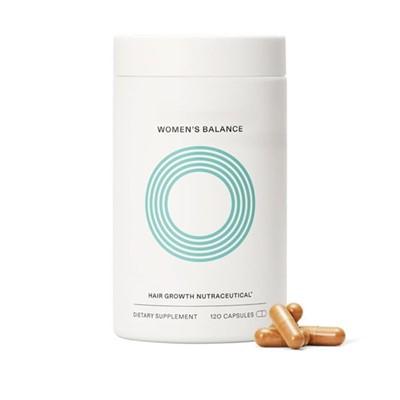
Can I take multivitamins if I have high cholesterol?
When it comes to managing high cholesterol, many people are often concerned about what supplements they can safely take. As a multivitamins supplier, I understand these concerns and am here to provide some insights on whether it's advisable to take multivitamins when dealing with high cholesterol.
High cholesterol is a common health issue that can increase the risk of heart disease and other cardiovascular problems. Cholesterol is a waxy substance found in the blood, and having too much of it can lead to the buildup of plaque in the arteries, narrowing them and restricting blood flow. While lifestyle changes such as a healthy diet, regular exercise, and weight management are key in managing high cholesterol, some individuals may also consider taking supplements to support their overall health.
Multivitamins are a popular choice for many people looking to fill nutritional gaps in their diet. They typically contain a combination of vitamins, minerals, and other nutrients that are essential for the body's proper functioning. But can they be beneficial for those with high cholesterol?
First, let's look at some of the nutrients commonly found in multivitamins and their potential effects on cholesterol levels.
Vitamin D is one of the nutrients often included in multivitamins. Research has suggested that vitamin D may play a role in cholesterol metabolism. Some studies have found that individuals with low vitamin D levels tend to have higher cholesterol levels. By ensuring adequate vitamin D intake through a multivitamin, it may help support a healthy lipid profile. However, more research is needed to fully understand the exact relationship between vitamin D and cholesterol.
Omega - 3 fatty acids are another important component that can sometimes be found in multivitamins or as separate supplements. Omega - 3s, specifically EPA (eicosapentaenoic acid) and DHA (docosahexaenoic acid), have been shown to have positive effects on cholesterol. They can help reduce triglyceride levels, a type of fat in the blood, and may also have a modest effect on raising HDL (good) cholesterol. Including omega - 3s in a multivitamin can be a valuable addition for those with high cholesterol.
Antioxidants such as vitamin C and vitamin E are also commonly present in multivitamins. These antioxidants can help protect cells from oxidative stress, which is associated with the development of plaque in the arteries. Oxidized LDL (bad) cholesterol is more likely to contribute to plaque formation, and antioxidants may help prevent this oxidation process.
However, it's important to note that multivitamins are not a substitute for a healthy diet. While they can provide additional nutrients, they should be used as a complement to a balanced eating plan. For example, instead of relying solely on a multivitamin for vitamin C, it's still beneficial to consume fruits and vegetables rich in this vitamin, such as oranges, strawberries, and bell peppers.


Now, let's address some potential concerns. Some multivitamins may contain ingredients that could potentially interact with cholesterol - lowering medications. For instance, certain herbal extracts or high - dose nutrients might interfere with the effectiveness of statins, a commonly prescribed medication for high cholesterol. It's crucial for individuals with high cholesterol who are taking medications to consult their healthcare provider before starting any new multivitamin.
As a multivitamins supplier, we offer a range of products that can be suitable for individuals with high cholesterol. Our Quercetin 1000mg Gummies are a great option. Quercetin is a flavonoid with antioxidant properties that may help reduce inflammation and support cardiovascular health. It could potentially have a positive impact on cholesterol levels by protecting LDL cholesterol from oxidation.
Our Methyl Gummies are another product worth considering. They contain methylated forms of vitamins, which are more easily absorbed by the body. These vitamins can support various bodily functions, including those related to cholesterol metabolism.
For women going through menopause who also have high cholesterol, our Best Menopause Gummies can be beneficial. Menopause is often associated with changes in cholesterol levels, and these gummies are formulated to address the specific nutritional needs of women during this stage, while also potentially supporting heart health.
In conclusion, in most cases, it is generally safe for individuals with high cholesterol to take multivitamins, especially those that are well - formulated and contain nutrients beneficial for cardiovascular health. However, it's always best to consult a healthcare provider before starting any new supplement regimen, especially if you are taking cholesterol - lowering medications.
If you are interested in our multivitamin products and would like to discuss potential procurement, we are more than happy to have a detailed conversation with you. We understand the importance of providing high - quality supplements that meet your specific needs. Whether you are a retailer looking to stock our products or an individual interested in bulk purchasing, we can offer customized solutions. Please feel free to reach out to us to start the discussion.
References:
- Smith, A. B. (2018). The role of vitamin D in lipid metabolism. Journal of Nutritional Science, 7(12), e12.
- Harris, W. S. (2016). Omega - 3 fatty acids and cardiovascular disease: effects on risk factors, molecular pathways, and clinical events. Journal of Lipid Research, 57(8), 1525 - 1540.
- Frei, B., & Higdon, J. V. (2003). Antioxidant nutrients and cardiovascular disease. American Journal of Clinical Nutrition, 78(3), 570S - 578S.