


As a supplier of high - quality protein powders, I often receive various questions from customers. One question that frequently pops up is whether individuals with a rice allergy can take protein powder. In this blog, I'll delve into this topic, providing you with scientific insights and guidance.
Understanding Rice Allergies
A rice allergy is an abnormal immune response to proteins found in rice. When a person with a rice allergy consumes rice or rice - derived products, the immune system mistakes these proteins as harmful invaders. This triggers the release of antibodies, specifically immunoglobulin E (IgE), which then leads to the release of chemicals like histamine. The symptoms of a rice allergy can range from mild to severe. Mild symptoms may include itching, hives, or swelling of the lips, tongue, or face. More severe reactions can involve difficulty breathing, wheezing, abdominal pain, vomiting, and in extreme cases, anaphylaxis, a life - threatening allergic reaction.
It's important to note that rice allergies are relatively less common compared to other food allergies such as those to milk, eggs, peanuts, or tree nuts. However, for those who do have a rice allergy, it can significantly impact their diet and lifestyle.
Types of Protein Powders
There are several types of protein powders available on the market, each with its own source and composition.
Whey Protein
Whey protein is one of the most popular types of protein powder. It is derived from milk during the cheese - making process. Whey protein is a complete protein, meaning it contains all nine essential amino acids that the human body cannot produce on its own. There are two main types of whey protein: whey protein concentrate and whey protein isolate. Whey protein concentrate contains some lactose and fat, while whey protein isolate is more purified and has a higher protein content with less lactose and fat.
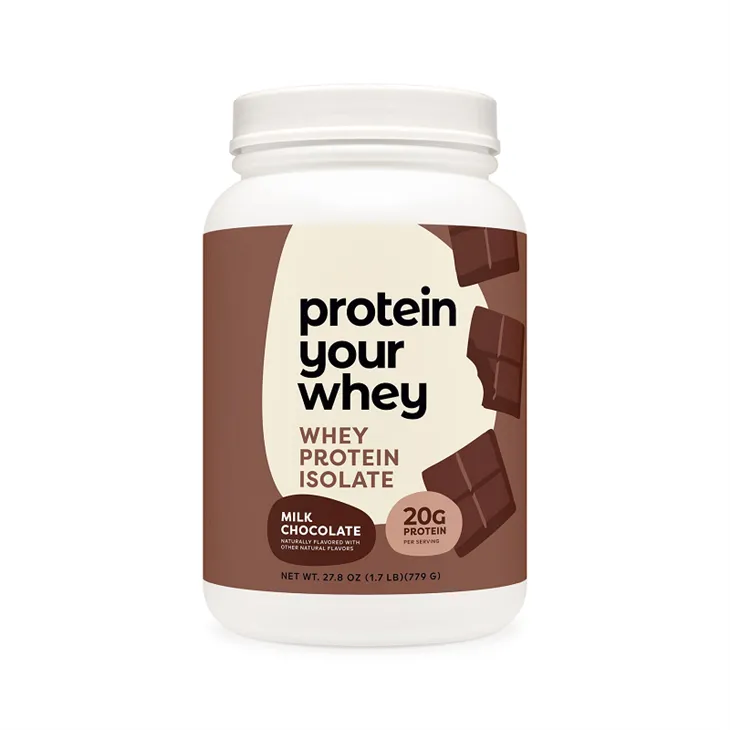
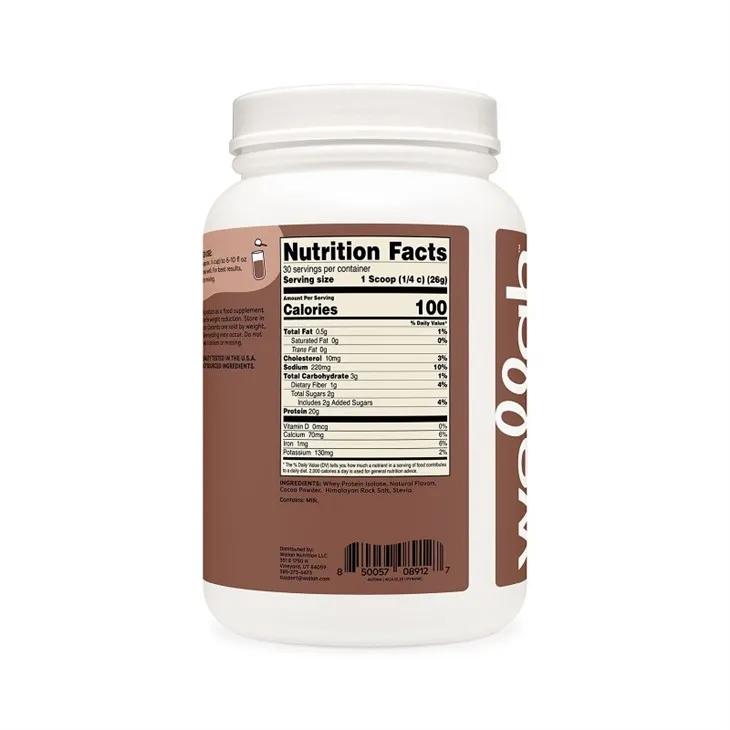
If you have a rice allergy, whey protein is generally a safe option as it does not contain rice proteins. However, if you also have a milk allergy, you should avoid whey protein as it is milk - based. You can explore our Protein Your Whey Powders which offer high - quality whey protein options.
Casein Protein
Casein is another milk - derived protein. It is a slow - digesting protein, which means it provides a steady release of amino acids over a longer period of time. This makes it a great option to consume before bed to prevent muscle breakdown during the night. Similar to whey protein, casein is safe for those with a rice allergy as long as they do not have a milk allergy.
Soy Protein
Soy protein is derived from soybeans. It is a complete plant - based protein and is a popular choice for vegetarians and vegans. Soy protein is also a good option for people with a rice allergy as it does not contain rice proteins. However, some individuals may have a soy allergy, so it's important to be aware of this.
Pea Protein
Pea protein is made from yellow split peas. It is a high - quality plant - based protein and is rich in essential amino acids, especially lysine. Pea protein is hypoallergenic, which means it is less likely to cause allergic reactions. It is an excellent choice for those with a rice allergy, as well as for people with other common food allergies.
Hemp Protein
Hemp protein is derived from hemp seeds. It contains all essential amino acids and is also rich in healthy fats, fiber, and minerals. Hemp protein is a good option for people with a rice allergy, but it may not be suitable for those with a hemp seed allergy.
Factors to Consider When Choosing Protein Powder with a Rice Allergy
Cross - Contamination
Even if a protein powder does not contain rice as an ingredient, there is a risk of cross - contamination during the manufacturing process. Cross - contamination can occur when the same equipment is used to process different products, and small amounts of rice proteins can end up in other products. To minimize this risk, look for protein powders that are produced in facilities that follow strict allergen control protocols. Some manufacturers may label their products as "rice - free" or "produced in a rice - free facility," which can give you more confidence in the product's safety.
Other Allergies
As mentioned earlier, having a rice allergy does not mean you are free from other allergies. You need to consider other potential allergies you may have, such as milk, soy, or nuts. Make sure to carefully read the ingredient list of the protein powder to ensure it does not contain any ingredients that you are allergic to.
Personal Health Goals
Your personal health goals also play a role in choosing the right protein powder. If you are an athlete looking to build muscle, a fast - digesting protein like whey protein may be more suitable. On the other hand, if you are trying to manage your weight or looking for a protein source that can keep you feeling full for longer, a slow - digesting protein like casein or a plant - based protein with high fiber content may be a better choice.
Safety Precautions
Before starting to take any new protein powder, especially if you have a rice allergy or other allergies, it is always a good idea to consult with a healthcare professional or a registered dietitian. They can assess your individual situation, including your allergy history, overall health, and dietary needs, and provide personalized advice on whether a particular protein powder is safe for you.
If you experience any symptoms of an allergic reaction after taking a protein powder, such as itching, swelling, or difficulty breathing, stop using the product immediately and seek medical attention.
Conclusion
In conclusion, if you have a rice allergy, you can still take protein powder. There are many types of protein powders available that do not contain rice proteins, such as whey, casein, soy, pea, and hemp protein. However, you need to be cautious about cross - contamination and other potential allergies. By carefully choosing the right protein powder and following safety precautions, you can safely incorporate protein powder into your diet to meet your nutritional needs.
If you're interested in exploring our range of protein powders, we'd love to have a conversation with you. Whether you're a fitness enthusiast, an athlete, or someone looking to improve their overall health, our protein powders can be a great addition to your diet. Feel free to reach out to us to discuss your specific requirements and start a procurement negotiation. We're committed to providing you with the highest - quality protein powders at competitive prices.
References
- Sicherer, S. H., & Sampson, H. A. (2014). Food allergy: Epidemiology, pathogenesis, diagnosis, and treatment. Journal of Allergy and Clinical Immunology, 133(2), 291 - 307.
- Walsh, N. P., et al. (2017). Position statement. Part II: Nutritional and non - nutritional strategies to enhance recovery from exercise. International Journal of Sport Nutrition and Exercise Metabolism, 27(3), 299 - 324.
- U.S. Food and Drug Administration. (2023). Food Allergies. Retrieved from [FDA official website].


