


Multivitamins are a convenient way to ensure that our bodies receive a comprehensive range of essential nutrients. As a multivitamins supplier, I often encounter questions from customers regarding the consumption methods of multivitamins, particularly whether they can be crushed or chewed. In this blog, I'll explore this topic in detail, taking into account different types of multivitamins and their specific requirements.
The Basics of Multivitamins
Multivitamins come in various forms, including tablets, capsules, gummies, and softgels. Each form has its own advantages and is designed to deliver the nutrients in a specific way. Tablets are usually compressed forms of the vitamins and minerals, often coated to make them easier to swallow and to protect the ingredients. Capsules, on the other hand, contain the nutrients in a gelatin or vegetarian shell. Gummies are a popular option, especially for children and those who have difficulty swallowing pills, as they are chewable and come in various flavors. Softgels are similar to capsules but have a softer outer shell and are often used for delivering fat - soluble vitamins.
Can Tablets Be Crushed or Chewed?
Enteric - Coated Tablets
Some tablets are enteric - coated. These coatings are designed to prevent the tablet from dissolving in the stomach, where the acidic environment might degrade the active ingredients. Instead, they dissolve in the small intestine. If an enteric - coated tablet is crushed or chewed, the coating is broken, and the active ingredients may be exposed to the stomach acid prematurely. This can not only reduce the effectiveness of the multivitamin but also cause irritation to the stomach lining. For example, some iron - containing multivitamin tablets are enteric - coated. Crushing them can lead to nausea and other gastrointestinal discomforts.
Sustained - Release Tablets
Sustained - release tablets are formulated to release the nutrients slowly over a period of time. This allows for a more consistent supply of vitamins and minerals to the body. When these tablets are crushed or chewed, the sustained - release mechanism is disrupted. As a result, the body may receive a large dose of the nutrients all at once, which can be wasteful as the body can only absorb a certain amount of nutrients at a time. Excess nutrients may be excreted in the urine.
Regular Tablets
However, not all tablets have special coatings or release mechanisms. Some regular tablets can be crushed or chewed if necessary. For instance, if someone has difficulty swallowing tablets, crushing them and mixing them with food or drink can be a viable option. But it's important to check with a healthcare provider or pharmacist first, as some tablets may have a bitter taste when crushed, which could be unpleasant to consume.
Can Capsules Be Crushed or Chewed?
Hard Capsules
Hard capsules typically contain powdered or granular forms of the multivitamin ingredients. In some cases, the capsule can be opened, and the contents can be mixed with food or drink. But similar to tablets, there are caveats. Some capsules may contain ingredients that are sensitive to air or moisture. Once the capsule is opened, these ingredients may start to degrade. Also, some of the powder may have an unpleasant taste.
Softgels
Softgels are generally not meant to be crushed or chewed. They are designed to be swallowed whole. The soft outer shell of the softgel is often made of a gelatin - like substance that is easily dissolved in the stomach. If a softgel is crushed, it can be messy, and the oily or viscous contents inside may be difficult to handle. Moreover, some softgels are formulated in a way that the outer shell protects the active ingredients until they reach the appropriate part of the digestive system.
Gummies: The Chewable Option
Gummies are specifically designed to be chewed. They are a great alternative for those who have trouble swallowing pills. Our Kids Real Fruit Multivitamin Gummies are a perfect example. They are made with real fruit flavors, making them appealing to children. The chewy texture also makes it easier for the body to start breaking down the nutrients right in the mouth. However, it's important to note that gummies should be consumed in moderation, as they often contain added sugars.

Special Considerations for Specific Ingredients
Vitamin C
Vitamin C is a water - soluble vitamin that is sensitive to heat, light, and air. If a multivitamin containing vitamin C is crushed or chewed and exposed to the environment for an extended period, the vitamin C may start to oxidize and lose its potency.
B Vitamins
B vitamins are also water - soluble. In general, crushing or chewing multivitamins with B vitamins is usually safe. However, some B vitamins, such as B12, may be better absorbed in their intact form. Some multivitamins are formulated to ensure optimal absorption of B12, and altering the form by crushing or chewing may affect this process.
Fat - Soluble Vitamins (A, D, E, K)
Fat - soluble vitamins are stored in the body's fatty tissues. They require fat for proper absorption. Softgels are a common form for delivering fat - soluble vitamins as the oily environment inside the softgel helps with their stability and absorption. Crushing a softgel containing fat - soluble vitamins can disrupt this process and may lead to reduced absorption.
Our Other Gummy Products
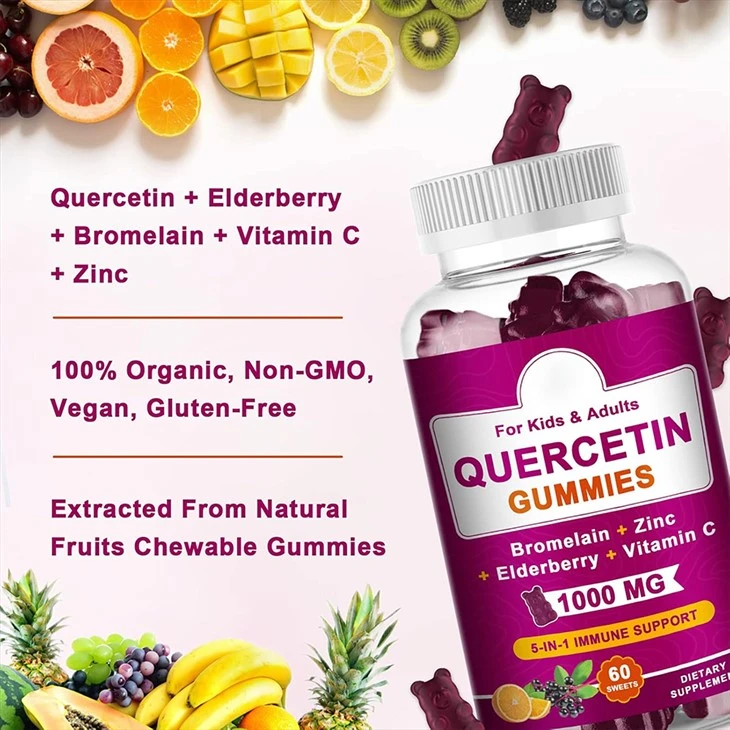
In addition to our kids' multivitamin gummies, we also offer Quercetin 1000mg Gummies and Co Apple Cider Vinegar Gummies. Quercetin is a powerful antioxidant, and our gummies make it easy to incorporate this beneficial compound into your daily routine. The apple cider vinegar gummies are a convenient way to enjoy the potential health benefits of apple cider vinegar without the harsh taste.
Conclusion
In conclusion, whether multivitamins can be crushed or chewed depends on their form and formulation. It's always best to follow the instructions on the label and consult a healthcare provider or pharmacist if you have any doubts. As a multivitamins supplier, we are committed to providing high - quality products and accurate information to our customers. If you are interested in our multivitamin products, we welcome you to reach out for procurement and further discussions. We can offer you detailed information about our product range, pricing, and delivery options.
References
- Shils, M. E., Shike, M., Ross, A. C., Caballero, B., & Cousins, R. J. (Eds.). (2006). Modern Nutrition in Health and Disease. Lippincott Williams & Wilkins.
- Institute of Medicine (US) Panel on Dietary Antioxidants and Related Compounds. (2000). Dietary Reference Intakes for Vitamin C, Vitamin E, Selenium, and Carotenoids. National Academies Press (US).


