Vitamin C gummies have gained popularity in recent years as a tasty and convenient way to supplement one's diet with this essential nutrient. However, like any sugary treat, there are concerns about how they affect dental health. As a supplier of vitamin C gummies, I've delved into this topic to understand the risks and benefits. This blog is designed to shed light on the relationship between vitamin C gummies and dental health, so we can make informed decisions about incorporating them into our daily routines.
The Role of Vitamin C in Oral Health
Before discussing the potential effects of vitamin C gummies on teeth, it's important to understand the role of vitamin C in oral health. Vitamin C is a powerful antioxidant that plays a crucial role in collagen synthesis, a protein necessary for the health of gums, blood vessels, and connective tissues in the mouth. Adequate vitamin C intake helps maintain the integrity of the periodontal tissues, which support the teeth. Research has shown that vitamin C deficiency can lead to scurvy, a condition characterized by bleeding gums, tooth loss, and weakened connective tissues in the mouth. Therefore, ensuring sufficient vitamin C levels is essential for preventing gum disease and maintaining overall oral health.
The Sugar Factor
The main concern with vitamin C gummies and dental health revolves around their sugar content. Most vitamin C gummies are sweetened with sugars such as glucose, sucrose, or fructose to enhance their taste. When these sugars come into contact with the bacteria in our mouths, they produce acids that can erode tooth enamel, the protective outer layer of the teeth. Over time, enamel erosion can lead to tooth sensitivity, cavities, and other dental problems.
The frequency of consumption is also a critical factor. Chewing vitamin C gummies throughout the day, rather than taking them all at once, exposes the teeth to sugar and acid for extended periods. This continuous acid attack on the enamel increases the risk of tooth decay.

Damage to Tooth Enamel
Unlike hard candies, which dissolve slowly in the mouth, vitamin C gummies are typically chewed and coated around the teeth. This chewing action can cause the sugary content to adhere to the tooth surface for longer, increasing the time that the enamel is exposed to acid-producing bacteria. Additionally, the sticky nature of gummies can make them more difficult to remove through regular brushing and rinsing, further contributing to enamel damage.
Steps to Mitigate Dental Risks
Despite the potential dental risks associated with vitamin C gummies, there are several steps that consumers can take to minimize these effects:
- Limit Consumption: Stick to the recommended dosage of vitamin C gummies. Taking the required amount of vitamin C in a single, daily dose reduces the frequency of sugar exposure to the teeth.
- Rinse Mouth: After taking vitamin C gummies, rinse your mouth thoroughly with water. This helps to wash away the sugary residue and reduce the acid levels in the mouth.
- Brush Teeth: Wait at least 30 minutes after consuming gummies before brushing your teeth. Brushing immediately after eating acidic foods or candies can further damage the softened enamel.
- Use Sugar - Free Options: Some manufacturers offer sugar - free vitamin C gummies. These are sweetened with sugar substitutes like stevia or xylitol, which are less likely to cause tooth decay. Xylitol, in particular, has been shown to have some dental benefits, such as reducing the growth of cavity - causing bacteria.
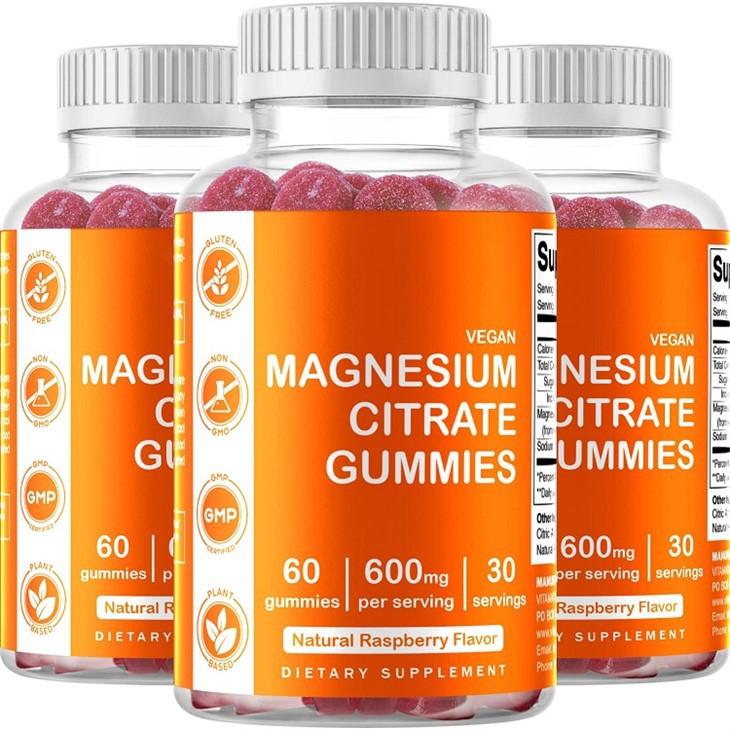
Our Product: Vitamatic Magnesium Gummies
At [Company's Position] in the vitamin C gummies supply industry, we understand the importance of balancing taste and dental health. That's why we're proud to offer Vitamatic Magnesium Gummies. Our gummies are formulated with high - quality vitamin C to support your immune system and overall health. We've also taken steps to minimize the dental risks associated with our product.
Our Vitamatic Magnesium Gummies are made with a reduced sugar formula. By using a combination of natural sweeteners and xylitol, we've managed to create a delicious gummy that is less likely to contribute to tooth decay. Xylitol not only provides a sweet taste but also helps maintain a healthy oral microbiome.
The Importance of Professional Dental Care
In addition to taking preventive measures at home, regular dental check - ups are essential for maintaining good oral health, especially when consuming vitamin C gummies. Dentists can detect early signs of enamel erosion or tooth decay and provide appropriate treatment. They can also offer personalized advice on how to minimize the impact of sugary foods on your teeth.
Conclusion
Vitamin C gummies can be a valuable addition to a balanced diet, providing the essential vitamin C needed for good oral and overall health. However, their sugar content poses a risk to dental health. By being aware of these risks and taking proactive steps to minimize them, such as limiting consumption, rinsing the mouth, and choosing sugar - free options, consumers can enjoy the benefits of vitamin C gummies without sacrificing their dental well - being.
As a supplier of high - quality vitamin C gummies, we are committed to providing products that are both effective and dental - friendly. Our Vitamatic Magnesium Gummies are a testament to our dedication to this cause. If you're interested in learning more about our products or are considering a bulk purchase for your retail business, health clinic, or other organization, we encourage you to reach out. We're here to answer your questions and discuss how our vitamin C gummies can meet your needs.
References
- Featherstone, J. D. B. (2000). Dental erosion and its potential link with diet. Australian Dental Journal, 45(3), 201 - 212.
- Hu, F. B., & Malik, V. S. (2010). Sugar - sweetened beverages and risk of obesity and type 2 diabetes: epidemiologic evidence. Physiology & Behavior, 100(1), 47 - 54.
- Sreebny, L. M., & Schwartz, S. (1997). Xerostomia: a review. Journal of the American Dental Association, 128(1), 39 - 49.