So, you've got a sesame allergy and you're wondering if you can take protein powder. Well, let's dive right into this and figure things out. As a protein powder supplier, I get tons of questions about how different ingredients might affect people with various allergies. And sesame allergies are actually pretty common, so it's totally understandable that you're concerned.
First things first, let's talk about what protein powder is and what's usually in it. Protein powder comes in different types, like whey, casein, soy, and plant - based options. Whey protein, for example, is super popular because it's quickly absorbed by the body and helps with muscle recovery after a workout.
Now, when it comes to sesame, it's not a typical ingredient in most protein powders. But here's the catch: cross - contamination can be an issue. Some manufacturing facilities process multiple products, including those that contain sesame. So, even if a protein powder doesn't list sesame as an ingredient, there could still be a tiny bit of sesame in it due to cross - contamination.
If you have a mild sesame allergy, you might be able to find protein powders that are labeled “sesame - free” or “produced in a sesame - free facility”. These are your best bets. They're made in environments where there's little to no chance of sesame getting into the product. Companies that make these products go to great lengths to ensure the safety of people with allergies.
Let's talk about the testing processes. Reputable protein powder manufacturers will test their products for residues of common allergens, including sesame. They use sensitive equipment to detect even the tiniest amounts of these substances. If a product tests positive for sesame above a certain acceptable limit, it usually won't be released to the market, or it will be clearly labeled with a warning about possible sesame contamination.
But how can you know for sure if a protein powder is safe for you? Well, start by reading the labels carefully. Look for allergen statements, which are usually in bold or a different color near the list of ingredients. If it says “This product may contain traces of sesame,” that's a big red flag.
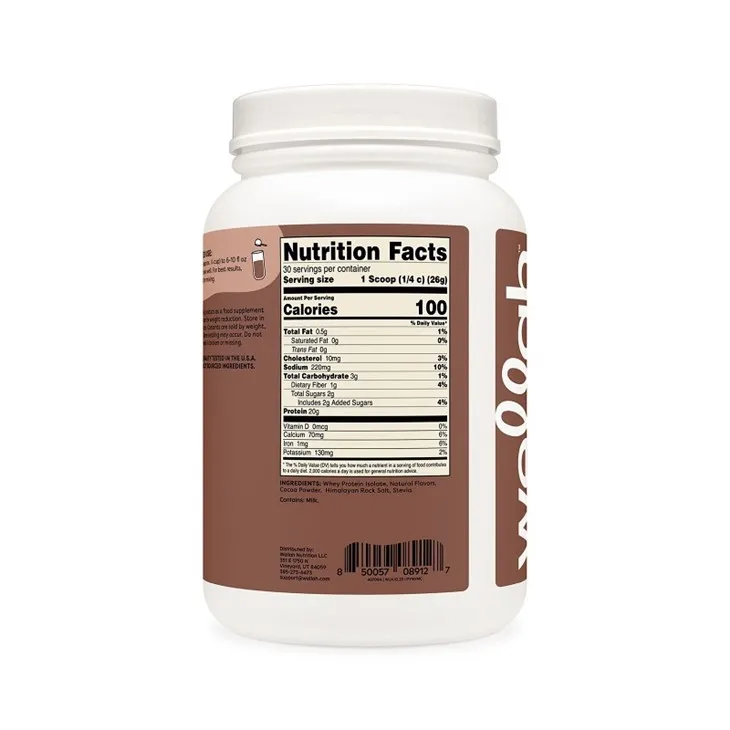
Another thing you can do is reach out to the manufacturer. Most companies are really helpful when it comes to answering questions about allergens. They'll tell you about their manufacturing processes, cleaning procedures, and testing results. You can usually find their contact information on their website.
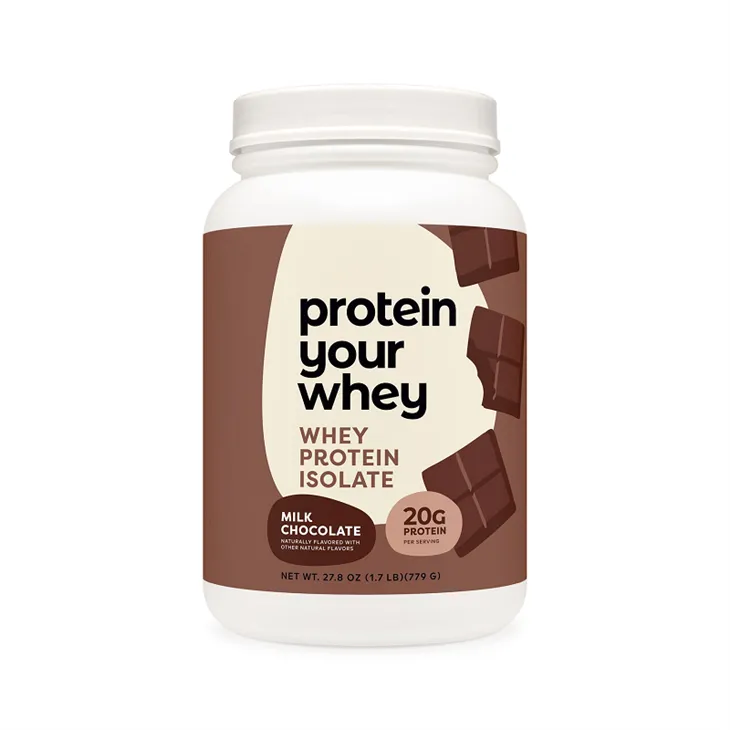
As a protein powder supplier, I understand the importance of safety for people with allergies. We work closely with our manufacturers to source products that are as safe as possible. Our Protein Your Whey Powders are carefully selected. We make sure that the manufacturing facilities follow strict allergen control measures.
If you have a severe sesame allergy, you need to be extra cautious. You might want to consult an allergist before trying any new protein powder. An allergist can do specific tests to see how your body might react to different proteins and can give personalized advice.
Now, let's look at some of the benefits of using protein powder. If you're an athlete or someone who works out regularly, protein powder can be a great way to meet your protein needs. It helps build and repair muscles, and it can also keep you feeling full between meals. For vegetarians and vegans, protein powder can be a valuable source of complete protein, which is hard to get from plant - based diets alone.
But there's more to it than just muscle building. Protein also plays a role in boosting your immune system. It's made up of amino acids, which are the building blocks of antibodies. So, getting enough protein can help you stay healthy and fight off infections.
When it comes to choosing the right protein powder for you, besides considering your sesame allergy, you also need to think about your taste preferences. Some protein powders come in a variety of flavors, like chocolate, vanilla, and strawberry. You can mix them with water, milk, or add them to smoothies.
And don't forget about the quality of the protein. Look for products that have a high biological value. This means that the protein is easily digested and used by your body. Whey protein, for example, has a high biological value, which is why it's so popular among athletes.
As a supplier, I'm always on the lookout for the best protein powders on the market. We want to offer our customers a wide range of options that are not only safe but also effective. Whether you're a bodybuilder, a fitness enthusiast, or just someone looking to add more protein to your diet, we've got something for you.
If you have a sesame allergy and are interested in our protein powders, we're here to help. We can provide you with detailed information about each product's manufacturing process, allergen control measures, and testing results. We understand that your health is your top priority, and we want to make sure you feel confident in your choice of protein powder.
So, if you're ready to take your protein intake to the next level and want to find a safe and high - quality protein powder, don't hesitate to get in touch. We're happy to discuss your needs and help you find the perfect product. Whether you're a small - scale buyer or looking to make a large - scale purchase, we're open to having a conversation about how we can work together.
In conclusion, having a sesame allergy doesn't necessarily mean you can't take protein powder. With careful research, reading labels, and reaching out to the right people, you can find a safe and suitable option. And as a protein powder supplier, we're committed to making that process as easy as possible for you.
References
- American Academy of Allergy, Asthma & Immunology. (2023). Food Allergies.
- International Food Information Council. (2023). Understanding Food Allergens.
- Journal of Sports Nutrition and Exercise Metabolism. (2022). The Role of Protein in Athletic Performance.