Is protein powder good for people with depression?
Depression is a complex and widespread mental health disorder that affects millions of people worldwide. It is characterized by persistent feelings of sadness, loss of interest or pleasure, changes in appetite and sleep patterns, low energy, and difficulty concentrating. While the exact causes of depression are not fully understood, it is believed to result from a combination of genetic, biological, environmental, and psychological factors. In recent years, there has been growing interest in the role of nutrition in mental health, and protein powder has emerged as a potential dietary supplement that may offer benefits for people with depression. As a protein powder supplier, I am often asked about the potential benefits of protein powder for individuals struggling with depression. In this blog post, I will explore the scientific evidence behind this question and discuss how protein powder may play a role in supporting mental health.
The Role of Protein in the Body
Protein is an essential macronutrient that plays a crucial role in many bodily functions. It is made up of amino acids, which are the building blocks of the body. Proteins are involved in the growth, repair, and maintenance of tissues, the production of enzymes and hormones, the regulation of immune function, and the transportation of nutrients and oxygen throughout the body. In addition, protein can also provide energy, although carbohydrates and fats are the body's primary sources of energy.
Protein and Brain Health
The brain is a highly metabolically active organ that requires a constant supply of nutrients to function properly. Protein is particularly important for brain health because it provides the amino acids needed for the synthesis of neurotransmitters, which are chemical messengers that transmit signals between nerve cells. Neurotransmitters such as serotonin, dopamine, and norepinephrine play a key role in regulating mood, emotions, sleep, and appetite. Imbalances in these neurotransmitters have been linked to depression and other mental health disorders.
Serotonin, in particular, is often referred to as the "feel-good" neurotransmitter because it helps to regulate mood, sleep, and appetite. Low levels of serotonin have been associated with depression, anxiety, and other mood disorders. Tryptophan is an essential amino acid that is required for the synthesis of serotonin. Since the body cannot produce tryptophan on its own, it must be obtained from the diet. Protein-rich foods such as meat, fish, poultry, eggs, dairy products, and legumes are good sources of tryptophan. However, some people may have difficulty getting enough tryptophan from their diet, especially if they follow a vegetarian or vegan diet. In these cases, protein powder may be a convenient and effective way to increase tryptophan intake.
Protein Powder and Depression
Several studies have investigated the potential benefits of protein powder for people with depression. While the research is still limited, some studies have suggested that protein supplementation may have a positive impact on mood and mental health.
One study published in the journal Nutritional Neuroscience found that participants who consumed a protein-rich drink containing tryptophan experienced significant improvements in mood compared to those who consumed a placebo drink. The researchers concluded that increasing tryptophan intake through protein supplementation may help to improve mood and reduce symptoms of depression.
Another study published in the journal Appetite found that participants who consumed a high-protein breakfast had lower levels of cortisol, a stress hormone, and reported feeling more satisfied and less hungry throughout the day compared to those who consumed a high-carbohydrate breakfast. Since stress and poor appetite are common symptoms of depression, these findings suggest that a high-protein diet may help to reduce stress and improve appetite in people with depression.
In addition to its potential benefits for mood and mental health, protein powder may also have other health benefits for people with depression. For example, protein can help to build and maintain muscle mass, which is important for overall health and physical function. People with depression often experience fatigue and low energy levels, which can make it difficult to exercise and maintain a healthy lifestyle. Protein powder can provide a convenient and easy way to increase protein intake and support muscle recovery after exercise.
Choosing the Right Protein Powder
If you are considering using protein powder to support your mental health, it is important to choose the right type of protein powder for your needs. There are several different types of protein powder available on the market, including whey protein, casein protein, soy protein, and pea protein. Each type of protein powder has its own unique properties and benefits.
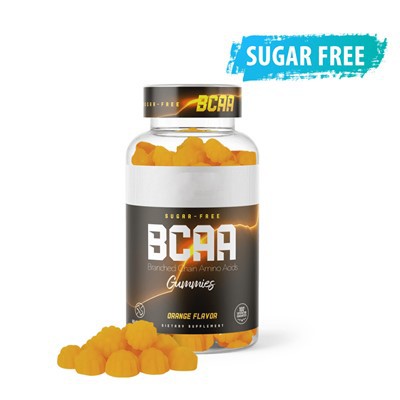
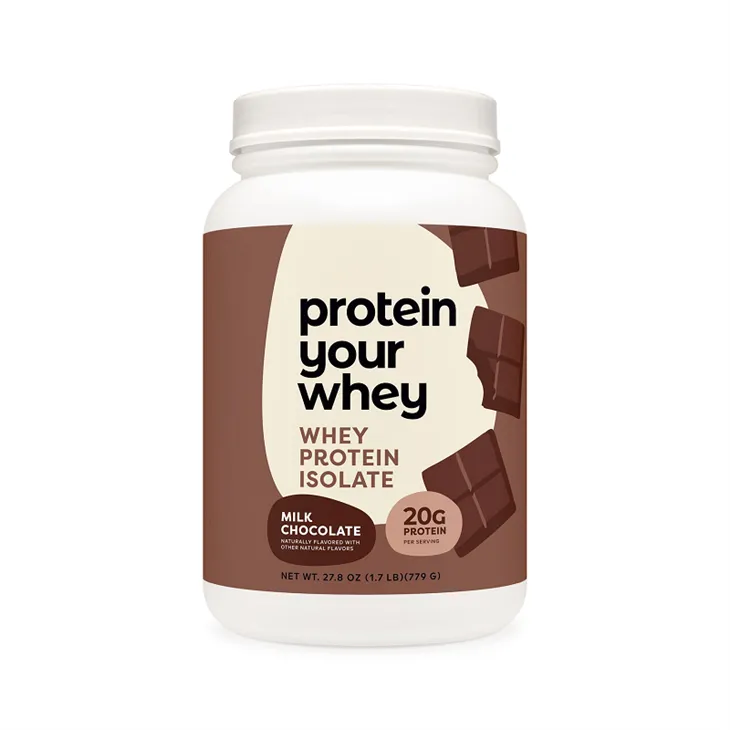
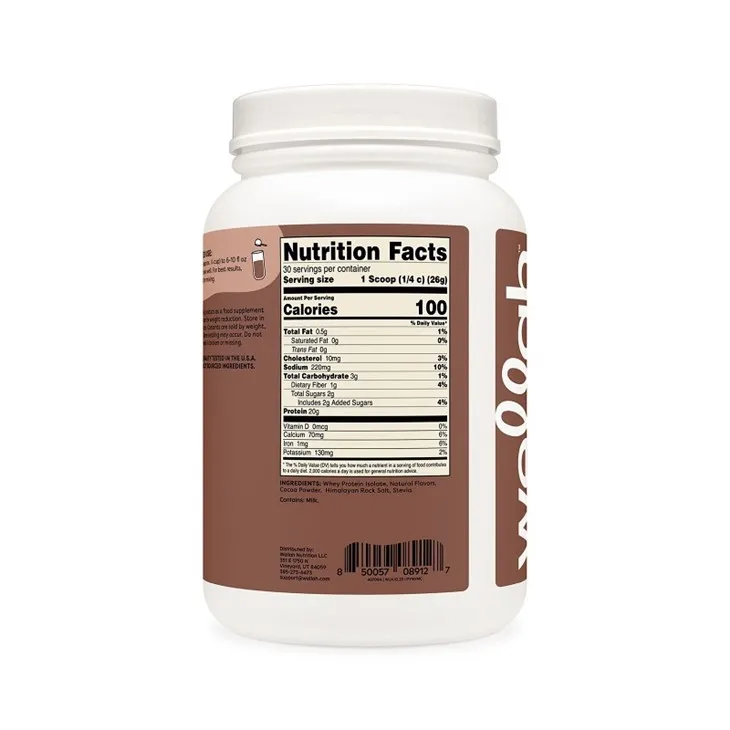
Protein Your Whey Powders are a popular choice among athletes and fitness enthusiasts because they are quickly digested and absorbed by the body, making them an ideal source of protein for post-workout recovery. Whey protein is also rich in branched-chain amino acids (BCAAs), which are essential amino acids that play a key role in muscle growth and repair.
Casein protein, on the other hand, is a slow-digesting protein that provides a steady release of amino acids over a longer period of time. This makes it a good choice for people who want to maintain a steady supply of protein throughout the day, such as before bed or between meals.
Soy protein is a plant-based protein that is a good source of all the essential amino acids. It is also rich in isoflavones, which are plant compounds that have been shown to have a variety of health benefits, including reducing the risk of heart disease and certain types of cancer.
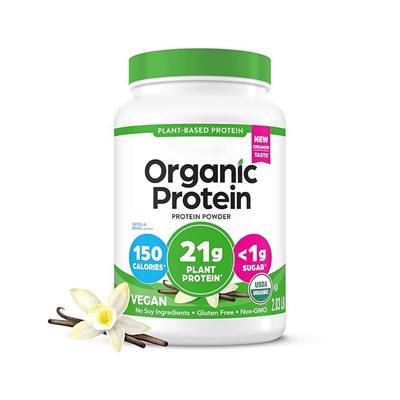
Pea protein is another plant-based protein that is a good source of all the essential amino acids. It is also hypoallergenic, making it a good choice for people with food allergies or sensitivities.
Considerations and Precautions
While protein powder can be a convenient and effective way to increase protein intake, it is important to use it in moderation and as part of a balanced diet. Excessive protein intake can put a strain on the kidneys and may increase the risk of certain health problems, such as kidney stones and osteoporosis. It is also important to choose a high-quality protein powder that is free from contaminants and additives.
In addition, protein powder should not be used as a substitute for a healthy diet. It is important to eat a variety of nutrient-dense foods, including fruits, vegetables, whole grains, lean proteins, and healthy fats, to ensure that you are getting all the nutrients your body needs.
If you have depression or any other mental health disorder, it is important to talk to your doctor or a qualified healthcare professional before starting any new dietary supplement, including protein powder. They can help you determine if protein powder is right for you and can provide you with personalized advice and recommendations based on your individual needs and health status.
Conclusion
In conclusion, while the research on the benefits of protein powder for people with depression is still limited, there is some evidence to suggest that protein supplementation may have a positive impact on mood and mental health. Protein is an essential macronutrient that plays a crucial role in many bodily functions, including brain health. By providing the amino acids needed for the synthesis of neurotransmitters, protein powder may help to improve mood, reduce symptoms of depression, and support overall mental health.
As a protein powder supplier, I am committed to providing high-quality protein products that are safe, effective, and backed by scientific research. If you are interested in learning more about our protein powders or have any questions about using protein powder to support your mental health, please feel free to contact us. We would be happy to discuss your needs and help you find the right protein powder for you. Whether you are an athlete looking to support muscle recovery, a vegetarian or vegan looking to increase protein intake, or someone struggling with depression looking for a natural way to improve mood and mental health, we have a protein powder that can meet your needs.
References
- Young, S. N., & Leyton, M. (2002). Tryptophan and depression: The effects of manipulating tryptophan in the diet. Journal of Psychiatry & Neuroscience, 27(2), 109-117.
- Markus, C. R., Olivier, B., & De Haan, E. H. (2000). Tryptophan-enriched protein drink improves mood in a group of healthy volunteers. Nutritional Neuroscience, 3(4), 267-281.
- Morens, D. M., & Popkin, B. M. (2004). A high-protein breakfast reduces appetite and cravings in overweight and obese men. Appetite, 43(2), 121-129.