


Hey there, fitness enthusiasts! If you're on a journey to meet your fitness goals, chances are you've thought about protein supplements. Today, we're gonna dive into the world of protein and clear up the confusion between protein powder and protein bars. As a protein powder supplier, I've seen all the trends and heard all the questions, so let's get started.
What Protein Power and Protein Bars Are Made Of
First off, what are these things actually made of? Protein powder usually comes from sources like whey, casein, soy, or pea. Whey protein, for example, is a by - product of cheese production and is super fast - digesting. It's like a turbo boost of protein for your muscles, especially useful right after a workout. That's why a lot of people grab a scoop of Protein Your Whey Powders to quickly replenish those muscle fibers.
On the other hand, protein bars are more of a snack - type product. They combine protein sources (often whey or soy) with a bunch of other ingredients. You'll find things like oats, nuts, dried fruits, and sweeteners in there. The blend is meant to give you a more balanced and filling snack. For instance, if you're on the go and need a quick pick - me - up, a protein bar can give you not only protein but also some carbs and fats for a bit of sustained energy.
Nutritional Content: The Nitty - Gritty
Let's talk numbers. Protein powder is all about the protein. Most protein powders have anywhere from 20 to 30 grams of protein per serving. A typical scoop is formulated to hit that sweet spot of protein intake. They're low in carbs and fats, which is great if your main goal is to build muscle or lose fat. You can control the amount of other nutrients by mixing your protein powder with water, milk, or adding it to a smoothie. And if you're watching your calories, using protein powder can be a really precise way to get your protein without a ton of extra calories.
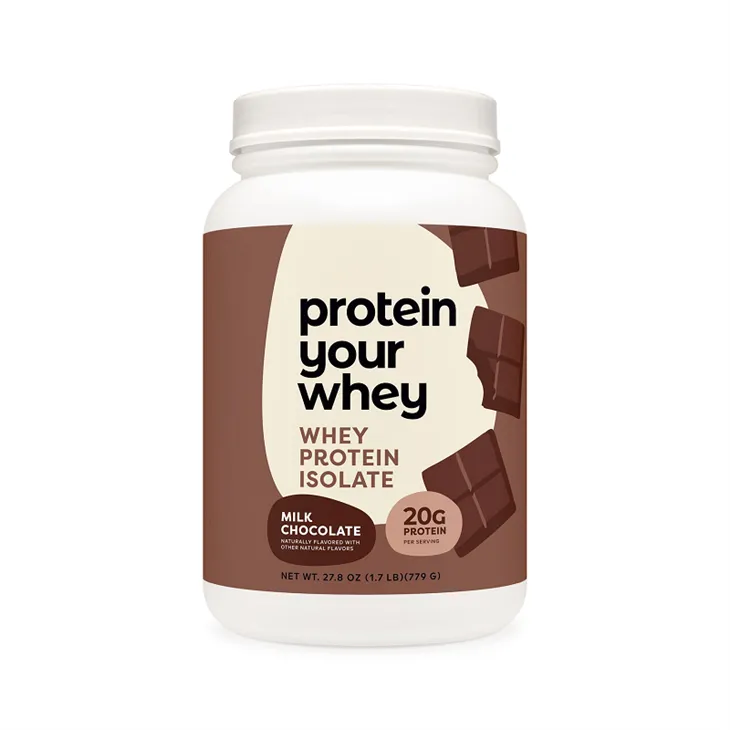
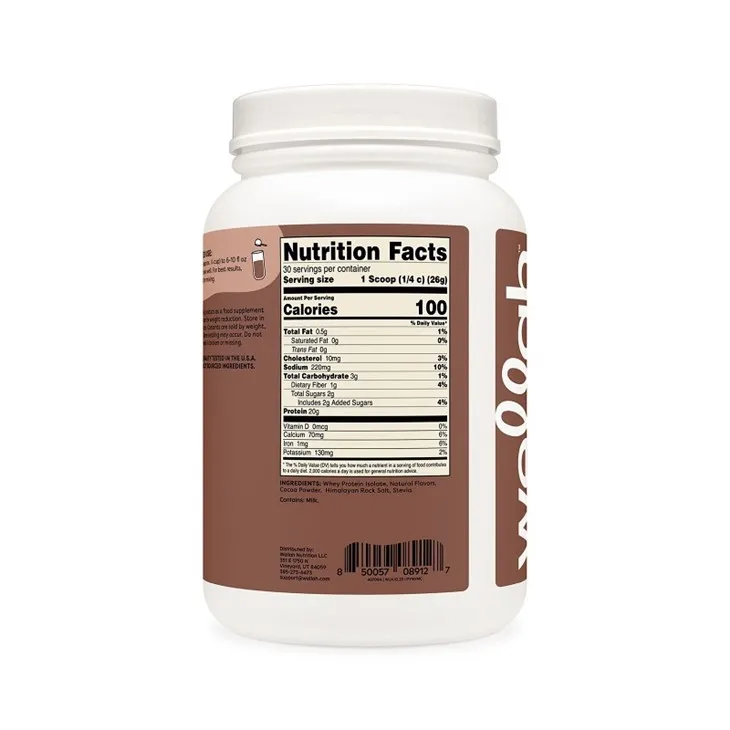
Protein bars, however, are a bit more complex. The protein content in a protein bar is usually in the 10 - 25 grams range. But they also come with a fair amount of carbs and fats. Some bars have added sugars to make them taste good, which can be a double - edged sword. If you're in a calorie - restricted diet, the extra sugars and fats in protein bars can add up quickly. But for someone who needs a bit more energy throughout the day or is looking for a post - workout snack that provides a mix of nutrients, a protein bar can be a decent option.
Convenience Factor
Convenience is huge in our busy lives. Protein powder wins big time here. It's super easy to carry around a shaker bottle with a scoop of powder. You can mix it up anywhere with just a bit of water or milk. Whether you're at the gym, at work, or traveling, protein powder is your best friend. You don't have to worry about it getting spoiled quickly, and it's porta ble.
Protein bars are convenient too, but they have their limits. They can melt or get crushed in your bag, especially in hot weather. Also, depending on your dietary needs, you have to be careful about which bar you choose. Some bars are high in sugar or have ingredients you might be allergic to. But overall, they're a great option if you need something ready - to - eat without any preparation.
Taste and Variety
Taste is a personal thing, but let's face it, it matters. Protein powder has come a long way in terms of taste. Nowadays, you can find all kinds of flavors like chocolate, vanilla, strawberry, and even more exotic flavors like cookies and cream or birthday cake. You can also get creative and mix different flavors or add them to recipes. For example, you can make protein pancakes or protein ice cream with your powder.
Protein bars also offer a wide variety of flavors. From peanut butter chocolate to lemon meringue, there's something for everyone. But sometimes, the texture can be a bit off - putting. Some bars can be too chewy or have a dry, chalky texture. It really depends on the brand and type of bar you choose.
Cost Comparison
Cost is always a consideration. Generally, protein powder is more cost - effective in the long run. You can buy a large container of protein powder that will last you a long time. And since you're paying mainly for the protein, you're getting good value for your money.
Protein bars, on the other hand, are usually more expensive per serving. The packaging, the additional ingredients, and the marketing all add to the cost. If you're on a tight budget, using protein powder might be a smarter financial decision.
When to Use Which
So, when should you choose protein powder over protein bars? If you've just finished a tough workout and you need a quick rush of protein to start the muscle recovery process, protein powder is your best bet. It gets absorbed quickly and can help you build and repair muscles faster.
If you're in between meals and need a snack that will keep you full for a while, a protein bar can do the job. It can hold you over until your next meal and give you a mix of energy sources.
As a protein powder supplier, I believe protein powder has a lot of advantages. It's versatile, cost - effective, and easy to use. And if you're looking for a high - quality protein powder, Protein Your Whey Powders offer great taste and excellent protein content.
Whether you're a serious athlete or just starting your fitness journey, it's important to understand the difference between protein powder and protein bars. They both have their place in your nutrition plan. If you're interested in exploring our range of protein powders for your fitness needs, don't hesitate to reach out. We're always here to help you make the right choice for your goals.
References
- McArdle, W. D., Katch, F. I., & Katch, V. L. (2015). Exercise physiology: Energy, nutrition, and human performance. Lippincott Williams & Wilkins.
- Academy of Nutrition and Dietetics. (2016). Sports, Cardiovascular and Wellness Nutrition. Journal of the Academy of Nutrition and Dietetics, 116(3), 501 - 509.


