


Hey there, fitness enthusiasts! If you're into working out, you've probably heard a ton about protein powder. It's like the go - to supplement for anyone looking to build muscle, recover faster, or just meet their daily protein needs. As a protein powder supplier, I've seen and dealt with all kinds of protein powders out there. So, let's break down the different types and see which one might be the best fit for you.
Whey Protein
Let's start with the most popular one: whey protein. Whey is a by - product of cheese production. It's a complete protein, which means it contains all nine essential amino acids that our bodies can't produce on their own.
There are three main types of whey protein:
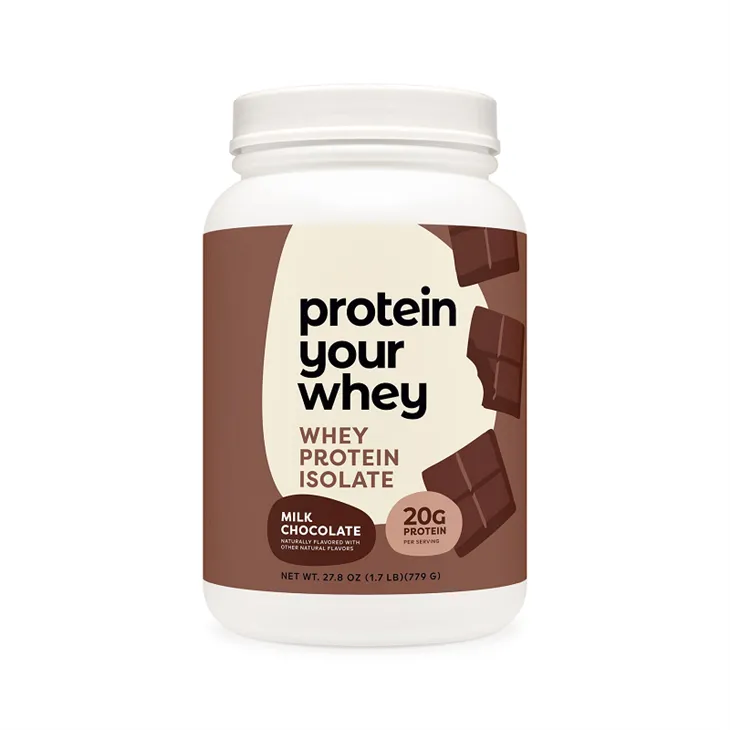
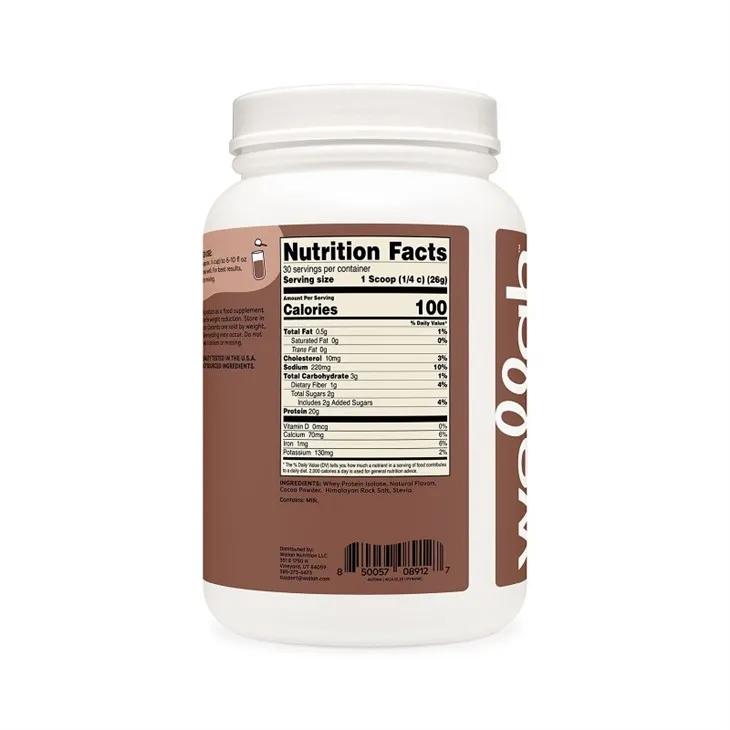
- Whey Protein Concentrate: This is the least processed form of whey. It usually contains about 70 - 80% protein, along with some carbohydrates and fats. It's also relatively affordable. The thing I like about whey protein concentrate is that it has a more natural flavor and texture compared to the other types. It's great for those who want a bit of everything in their protein powder and don't mind a little extra carbs and fats. You can find some awesome options at Protein Your Whey Powders.
- Whey Protein Isolate: Isolate is more highly processed than concentrate. It goes through additional filtration steps to remove most of the carbs, fats, and lactose. As a result, it's about 90% or more pure protein. This makes it a great choice for people who are lactose intolerant or are on a very low - carb diet. It's also quickly absorbed by the body, which is perfect for post - workout recovery.
- Whey Protein Hydrolysate: This is the most pre - digested form of whey. It's been broken down into smaller peptide chains, which means it can be absorbed even faster than isolate. It's often recommended for athletes who need a rapid supply of amino acids after intense workouts. However, it can be a bit more expensive and has a more bitter taste compared to the other whey proteins.
Casein Protein
Next up is casein protein. Like whey, it's also found in milk. But the big difference is in how it's digested. Casein forms a gel - like substance in the stomach, which slows down the digestion process. This means it releases amino acids into the bloodstream at a much slower and more sustained rate.
It's an ideal protein powder to take before bed. While you're sleeping, your body is in a fasting state, and casein can provide a steady supply of amino acids to prevent muscle breakdown. It's also great for people who can't eat frequently throughout the day, as it keeps you feeling full for longer periods.
Soy Protein
Soy protein is a plant - based alternative to dairy - based proteins. It's a complete protein, containing all the essential amino acids. It's also a good source of isoflavones, which are antioxidants that have been linked to various health benefits, like reducing the risk of heart disease.
Soy protein is suitable for vegetarians and vegans. It's also a great option for those who have dairy allergies or intolerances. However, some people are concerned about the phytoestrogens in soy. But don't worry too much. Most studies suggest that the amount of phytoestrogens in soy products is generally safe and may even have some health benefits.
Pea Protein
Pea protein has been gaining a lot of popularity in recent years, especially among vegans and those with food sensitivities. It's made from yellow split peas and is a high - quality, complete protein. It's also hypoallergenic, which means it's less likely to cause allergic reactions compared to other proteins.
Pea protein is rich in branched - chain amino acids (BCAAs), which are important for muscle growth and recovery. It has a mild flavor, so it's easy to mix into shakes and smoothies.
Hemp Protein
Hemp protein comes from the seeds of the hemp plant. It's another plant - based option that's rich in protein, fiber, and healthy fats. It contains all the essential amino acids, although it's not considered a complete protein in the traditional sense because it has lower levels of some amino acids.
Hemp protein is great for people who want to add more nutrients to their diet. The fiber in hemp can help with digestion, and the healthy fats are good for heart health. It has a nutty flavor, which can add a nice taste to your protein shakes.
Rice Protein
Rice protein is made from brown rice. It's a popular choice for vegans and those with multiple food allergies. It's hypoallergenic and easily digestible. However, on its own, rice protein is not a complete protein as it's low in lysine. But when combined with pea protein, it can form a complete protein source.
Blended Proteins
Many protein powders on the market are blends of different types of proteins. For example, a blend might contain whey, casein, and soy proteins. These blends are designed to provide a combination of fast - and slow - digesting proteins, giving you the benefits of both.
A post - workout blend might have more whey for quick muscle recovery, while a meal - replacement blend could have a mix of whey, casein, and plant - based proteins to keep you full and provide a steady supply of amino acids throughout the day.
How to Choose the Right Protein Powder
Now that you know about the different types of protein powder, how do you choose the right one? Well, it depends on your goals, dietary restrictions, and personal preferences.
If you're a meat - eater and want a fast - absorbing protein for post - workout, whey protein is probably your best bet. If you're lactose intolerant or a vegetarian/vegan, plant - based options like soy, pea, or rice protein are great choices. And if you're looking for a protein to take before bed, casein is the way to go.
Also, consider the taste and texture. Some protein powders have a strong flavor that you might not like, while others are more neutral. And think about the price. Some types of protein, like whey hydrolysate, can be more expensive, so make sure it fits your budget.
Why Buy from Us
As a protein powder supplier, I can offer you high - quality products at competitive prices. We source our ingredients from reliable suppliers and follow strict manufacturing processes to ensure the purity and safety of our protein powders.
We have a wide range of protein powders to choose from, whether you're looking for whey, casein, or plant - based options. Our team is also always available to answer any questions you might have about our products.
If you're interested in purchasing protein powder for your fitness routine, whether you're a gym owner looking to stock up your store or an individual looking for a personal supply, I'd love to talk to you. We can discuss your specific needs and find the perfect protein powder for you. Just reach out, and we can start a conversation about how we can work together to meet your protein requirements.
References
- Campbell, B., Kreider, R. B., Ziegenfuss, T. N., La Bounty, P., Roberts, M., Burke, D., … & Lopez, H. L. (2007). International Society of Sports Nutrition position stand: protein and exercise. Journal of the International Society of Sports Nutrition, 4(1), 8.
- Phillips, S. M. (2004). Dietary protein for athletes: from requirements to optimum adaptation. Journal of sports sciences, 22(1), 65 - 74.
- Van Loon, L. J., Greenhaff, P. L., Constantin - Teodosiu, D., Saris, W. H., & Wagenmakers, A. J. (2000). Casein and whey ingestion in elderly men is associated with differential muscle protein accretion after resistance exercise. American journal of physiology - endocrinology and metabolism, 279(4), E608 - E616.


