Hey there, fitness enthusiasts! As a long - time supplier of top - notch protein powder, I get asked a ton of questions, but one stands out above the rest: “When should I take protein powder?” Well, I'm here to break it down for you.
First off, let's understand why protein is so crucial. Protein is the building block of our bodies. It helps repair and grow muscles, supports a healthy immune system, and even plays a role in keeping our skin, hair, and nails in tip - top shape. Whether you're a gym rat aiming for that six - pack or someone just looking to stay active and healthy, protein is your friend.
Right After Your Workout
One of the best times to take protein powder is right after your workout. When you exercise, especially when you're doing strength training, you create tiny tears in your muscle fibers. Your body immediately starts the repair process, and that's where protein comes in. A study by the American College of Sports Medicine found that consuming protein within 30 minutes after a workout can significantly enhance muscle protein synthesis.
For instance, if you just finished a tough lifting session at the gym, a scoop of Whey Protein Isolate Powder can get to work right away. Whey protein is a fast - digesting protein, which means it can quickly deliver amino acids to your muscles. This helps reduce muscle soreness and speeds up recovery time. You'll be ready to hit the gym again in no time.
Before Your Workout
Taking protein before your workout can also be a smart move. It gives your body a head - start on having the necessary amino acids available during exercise. This can help prevent muscle breakdown while you're working out.
Think of it like fueling up your car before a long drive. If you have some protein about an hour before your workout, your body will have a steady supply of energy. A combination of slow - and fast - digesting proteins can work well here. You could have a small amount of casein (a slow - digesting protein) along with a bit of whey. This way, you get an immediate boost from the whey and a more sustained release from the casein.
As a Meal Replacement
Protein powder can also serve as a meal replacement, especially on those busy days when you don't have time to sit down and have a proper meal. But it's important to choose the right type of protein powder. Mass Gainer Powder can be a great option if you're looking to add some extra calories and protein to your diet.
Let's say you have a packed schedule with back - to - back meetings and no time to cook. A shake made with mass gainer powder can give you the nutrients you need to keep your energy levels up. It usually contains a good mix of protein, carbohydrates, and healthy fats. Just make sure you're not using it as a meal replacement all the time, as whole foods are still important for a balanced diet.
Before Bed
Taking protein before bed is another strategy that many fitness folks swear by. While you're sleeping, your body goes into a fasting state, and your muscles can start to break down. Consuming a slow - digesting protein like casein before bed can help prevent this muscle breakdown.
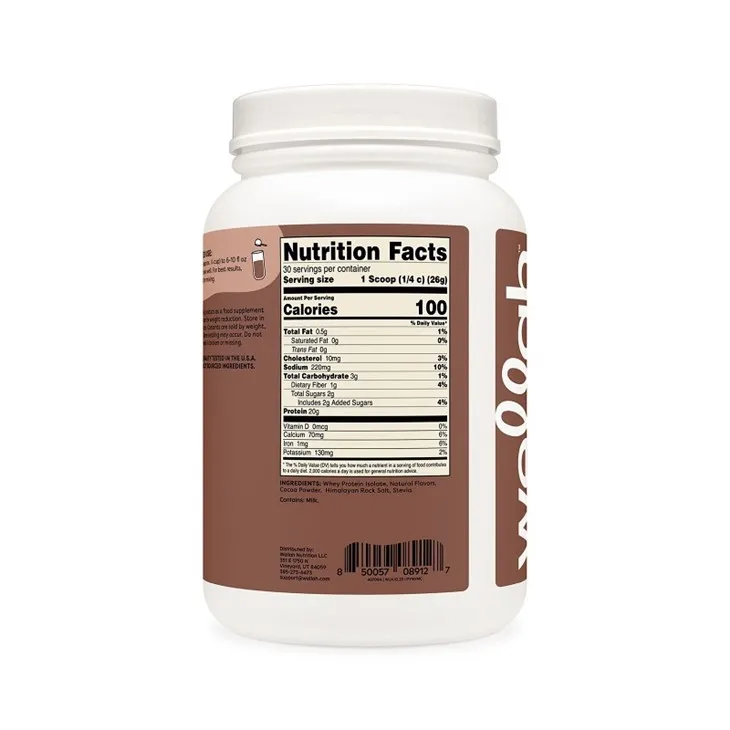

Casein forms a gel in your stomach, which means it's digested slowly, releasing amino acids into your bloodstream over a longer period. So, you can have a scoop of casein protein powder in a glass of milk or water about 30 minutes before you hit the hay. This way, your muscles will have a steady supply of nutrients while you're catching those Zs.
Factors That Affect the Timing
Now, the timing of when you take protein powder isn't a one - size - fits - all situation. There are several factors that can influence the best time for you.
Your Fitness Goals: If your goal is to build muscle, you'll want to focus on taking protein around your workouts. However, if you're trying to lose weight, you might use protein powder as a meal replacement or to curb your hunger between meals.
Your Diet: If you're already getting plenty of protein from whole foods like chicken, fish, eggs, and beans, you might not need to rely as heavily on protein powder. But if your diet is lacking in protein, then taking protein powder at the right times becomes even more important.
Your Activity Level: If you're an athlete who trains multiple times a day, you'll need to space out your protein intake throughout the day. On the other hand, if you're just starting an exercise routine, you might not need as much protein.
How Much Protein Do You Need?
The amount of protein you need depends on your body weight, activity level, and fitness goals. As a general rule of thumb, the Recommended Dietary Allowance (RDA) for protein is 0.8 grams per kilogram of body weight per day. But if you're an active person, you might need more like 1.2 - 2 grams per kilogram of body weight per day.
For example, if you weigh 70 kilograms and you're a regular gym - goer, you might aim for 84 - 140 grams of protein per day. Protein powder can be a convenient way to reach your protein goals, but don't forget about whole food sources too.
Our Protein Powders
At our company, we offer a wide range of high - quality protein powders. Our Whey Protein Isolate Powder is made from pure whey protein, with minimal fat and lactose. It's perfect for post - workout recovery. And our Mass Gainer Powder is a great option for those looking to pack on some mass. It's loaded with protein, carbohydrates, and healthy fats to support your muscle - building goals.
If you're interested in learning more about our products or want to discuss your protein powder needs, we're here to help. Whether you're a small - scale retailer or a large - scale distributor, we can work with you to find the right solutions for your business. Contact us today to start a discussion about how we can meet your protein powder requirements and take your fitness products to the next level.
References
- American College of Sports Medicine. (Year). Position Stand on Exercise and Sports Nutrition.
- Institute of Medicine. (Year). Dietary Reference Intakes for Energy, Carbohydrate, Fiber, Fat, Fatty Acids, Cholesterol, Protein, and Amino Acids.