As a mass grainer supplier, I often encounter various inquiries about the applications of our products. One question that has recently piqued my interest is whether a mass grainer can be used for textile materials. In this blog post, I will delve into this topic, exploring the science behind mass grainers, the nature of textile materials, and the potential feasibility of using a mass grainer in the textile industry.
Understanding Mass Grainers
Before we can discuss the potential use of a mass grainer for textile materials, it is essential to understand what a mass grainer is and how it works. A mass grainer is a device commonly used in the food and sports nutrition industries to produce granular products. It typically consists of a hopper, a feeder, a granulation chamber, and a discharge system.
The process begins with the raw materials being fed into the hopper. These materials can include powders, liquids, or a combination of both. The feeder then transports the raw materials into the granulation chamber, where they are subjected to a granulation process. This process can involve various techniques, such as wet granulation, dry granulation, or extrusion.
During wet granulation, a liquid binder is added to the raw materials to form granules. The binder helps to hold the particles together and improve the flowability of the granules. Dry granulation, on the other hand, involves compressing the raw materials into tablets or compacts, which are then crushed into granules. Extrusion is a process where the raw materials are forced through a die to form strands, which are then cut into granules.
Once the granules are formed, they are discharged from the granulation chamber and collected for further processing or packaging. Mass grainers are designed to produce granules of a specific size, shape, and density, depending on the requirements of the end product.
The Nature of Textile Materials
Textile materials are made from fibers, which can be natural or synthetic. Natural fibers include cotton, wool, silk, and linen, while synthetic fibers include polyester, nylon, and acrylic. These fibers are spun into yarns, which are then woven or knitted into fabrics.
Textile materials have unique properties that make them suitable for a wide range of applications, such as clothing, home furnishings, and industrial uses. These properties include strength, durability, flexibility, absorbency, and breathability.
However, textile materials also have some limitations. For example, they can be prone to wrinkling, shrinking, and fading. They can also be difficult to clean and maintain. To overcome these limitations, textile manufacturers often use various finishing treatments to improve the performance and appearance of the fabrics.
The Potential Feasibility of Using a Mass Grainer for Textile Materials
Based on the understanding of mass grainers and textile materials, the question arises: Can a mass grainer be used for textile materials? While there is no straightforward answer to this question, there are several factors to consider.
Compatibility of Materials
One of the primary considerations is the compatibility of the materials. Mass grainers are typically designed to work with food and sports nutrition ingredients, which are often powders or liquids. Textile materials, on the other hand, are made from fibers, which have a different physical and chemical nature.
Therefore, it is essential to ensure that the materials used in the granulation process are compatible with the textile fibers. For example, if a liquid binder is used in the granulation process, it should not cause any damage or discoloration to the fibers. Similarly, the granules produced by the mass grainer should not affect the strength, durability, or other properties of the textile materials.
Granulation Process
Another factor to consider is the granulation process itself. As mentioned earlier, mass grainers use various granulation techniques, such as wet granulation, dry granulation, or extrusion. Each of these techniques has its own advantages and disadvantages, and the choice of technique will depend on the specific requirements of the textile materials.


For example, wet granulation may not be suitable for textile materials, as the liquid binder can cause the fibers to become wet and sticky, which can affect the processing and performance of the fabrics. Dry granulation or extrusion may be more suitable, as they do not involve the use of a liquid binder.
Size and Shape of Granules
The size and shape of the granules produced by the mass grainer are also important considerations. Textile materials have a specific surface area and porosity, which can affect the way the granules interact with the fibers.
Therefore, it is essential to ensure that the granules produced by the mass grainer have a size and shape that is compatible with the textile materials. For example, if the granules are too large or too irregular in shape, they may not be able to penetrate the fibers effectively, which can affect the performance of the fabrics.
Applications of Granules in Textile Materials
Finally, it is important to consider the potential applications of the granules in textile materials. Granules can be used in textile materials for various purposes, such as adding functionality, improving performance, or enhancing the appearance of the fabrics.
For example, granules can be used to add antimicrobial properties to textile materials, which can help to prevent the growth of bacteria and fungi. They can also be used to improve the moisture management properties of the fabrics, which can help to keep the wearer dry and comfortable. Additionally, granules can be used to add color or texture to the fabrics, which can enhance their aesthetic appeal.
Examples of Mass Grainers in the Market
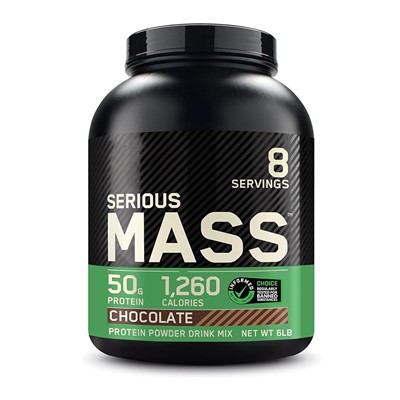
As a mass grainer supplier, I would like to introduce some of the products in our portfolio. One of our popular products is the Serious Gainz Mass Gainer. This mass grainer is designed to produce high-quality granules for sports nutrition products. It uses a wet granulation process, which ensures that the granules are uniform in size and shape.
Another product is the Best Casein Protein Powder. This mass grainer is specifically designed for the production of casein protein powder. It uses a dry granulation process, which helps to preserve the nutritional value of the protein.
We also offer the The Best Chocolate Protein Powder. This mass grainer is used to produce chocolate-flavored protein powder. It uses an extrusion process, which allows for the production of granules with a unique shape and texture.
Conclusion
In conclusion, while the use of a mass grainer for textile materials is an interesting concept, there are several factors to consider before it can be implemented. The compatibility of the materials, the granulation process, the size and shape of the granules, and the potential applications of the granules in textile materials are all important considerations.
As a mass grainer supplier, we are constantly exploring new applications for our products. We believe that with further research and development, it may be possible to use mass grainers to produce granules that can be used in textile materials to add functionality, improve performance, or enhance the appearance of the fabrics.
If you are interested in learning more about our mass grainers or exploring the potential use of our products in the textile industry, please do not hesitate to contact us. We would be happy to discuss your requirements and provide you with more information.
References
- "Principles of Pharmaceutical Manufacturing" by Gordon L. Amidon, Lloyd A. Felton, and Patrick J. Sinko
- "Textile Science" by Robert M. Alagirusamy
- "Granulation Technology" by K. G. Suresh and S. P. Singh