Hey there! I'm a supplier of protein powder, and I often get asked a bunch of questions about who can take our products. One question that pops up quite a bit is, "Can I take protein powder if I have a shellfish allergy?" It's a super important question, and I'm gonna break it down for you.
First off, let's talk about what shellfish allergies are all about. Shellfish allergies are pretty common, and they can range from mild to serious reactions. There are two main types of shellfish: crustaceans (like shrimp, crab, and lobster) and mollusks (like clams, mussels, and oysters). When someone with a shellfish allergy eats or comes into contact with shellfish, their immune system goes haywire and starts overreacting. Symptoms can be anything from a rash, itching, and swelling to more severe stuff like trouble breathing, nausea, and in extreme cases, anaphylaxis, which is a life - threatening allergic reaction.
Now, let's get to the protein powder part. Not all protein powders are created equal. There are several different sources of protein used in making these powders. The most common ones are whey, casein, soy, and plant - based proteins like pea, rice, and hemp.
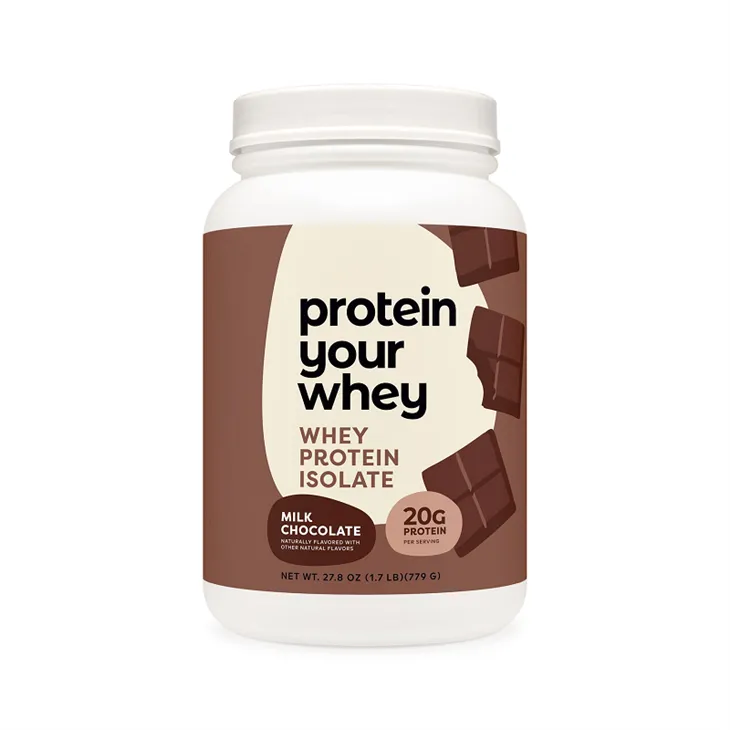
Whey protein is a popular choice. It's derived from milk, so if you're allergic to shellfish, whey protein is generally a safe bet. Whey protein comes in two main forms: whey concentrate and whey isolate. Whey concentrate has a bit more fat and lactose, while whey isolate is more refined and has less of those. If you're lactose intolerant on top of your shellfish allergy, whey isolate might be a better option for you. And hey, check out our Protein Your Whey Powders. They're made from high - quality whey and are a great source of protein.
Casein protein is also from milk. It's a slow - digesting protein, which means it can keep your muscles fueled for longer periods. Just like whey, if you have a shellfish allergy, casein protein should be fine as long as you're not allergic to milk.
Soy protein is another option. It's a complete protein, meaning it has all the essential amino acids your body needs. It's great for vegetarians and vegans, and if you're allergic to shellfish, soy protein is usually safe. However, some people might have soy allergies, so you need to watch out for that.
Plant - based protein powders are becoming more and more popular. Pea protein, for example, is hypoallergenic, which means it's less likely to cause allergic reactions. Rice protein is also a good choice, and it can be combined with other plant proteins to make a complete protein source. Hemp protein is rich in healthy fats and fiber in addition to protein. All of these plant - based options are safe for shellfish allergy sufferers.
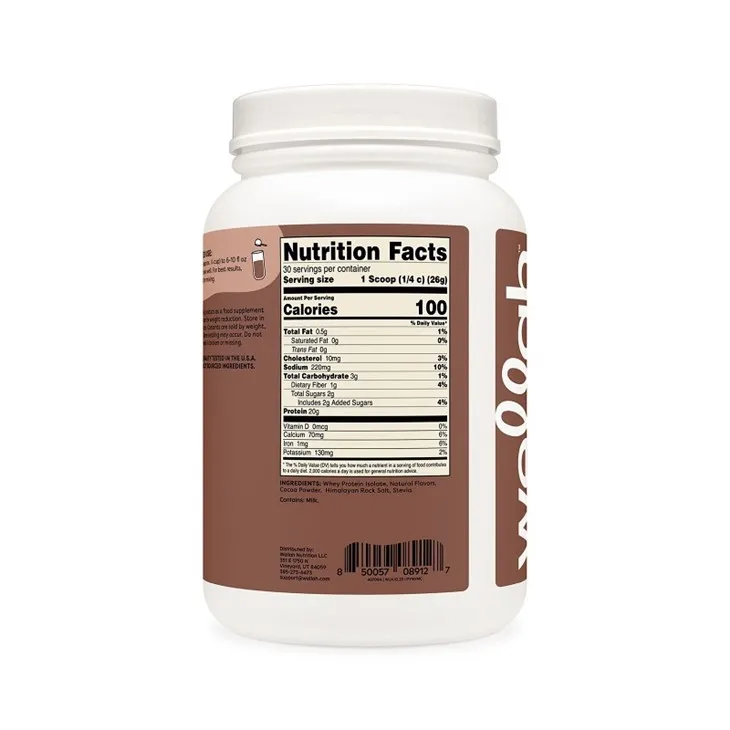
But here's the thing. Sometimes, protein powders can have cross - contamination issues. Even if a protein powder is made from a safe source like whey or soy, it might be processed in a facility that also processes shellfish. This can lead to trace amounts of shellfish proteins ending up in the powder. That's why it's super important to read the labels carefully. Look for statements like "Made in a facility that does not process shellfish" or "No shellfish ingredients." If a label says "May contain traces of shellfish," it's probably best to steer clear.
Another thing to keep in mind is that some protein powders might have added ingredients. For example, some powders might have flavorings or additives that could potentially contain shellfish derivatives. For instance, some natural flavorings might be made from shellfish extracts. So, always check the ingredient list thoroughly.
If you're still not sure whether a particular protein powder is safe for you, it's a good idea to consult with a healthcare professional. They can give you personalized advice based on the severity of your allergy and your overall health.
Now, let's talk about why protein powder can be so beneficial. Whether you're an athlete, a fitness enthusiast, or just someone looking to get more protein in your diet, protein powder can be a convenient way to do it. Protein is essential for building and repairing muscles, and it also helps keep you feeling full and satisfied. If you're working out regularly, protein powder can help you recover faster and see better results.
As a protein powder supplier, I know how important it is to have high - quality, safe products. That's why we take all the necessary precautions to ensure our products are free from shellfish contamination. We source our ingredients from reliable suppliers, and we have strict quality control measures in place.
If you're interested in our protein powders, whether you have a shellfish allergy or not, I'd love to talk to you. We can discuss your specific needs and figure out which product is right for you. Maybe you're looking for a protein powder to help you bulk up, or perhaps you need something for post - workout recovery. Whatever it is, we've got options.
In conclusion, if you have a shellfish allergy, you can still take protein powder. There are plenty of safe options out there, like whey, casein, soy, and plant - based proteins. Just make sure to read the labels carefully and consult a healthcare professional if you're unsure. And remember, our Protein Your Whey Powders are a great choice for high - quality protein. If you're thinking about making a purchase or just want to learn more, don't hesitate to reach out. We're here to help you meet your protein goals.
References:
- "Food Allergy Research & Education" - General information on food allergies
- "Journal of Allergy and Clinical Immunology" - Studies on shellfish allergies and cross - contamination in food products
- "International Society of Sports Nutrition" - Research on the benefits of protein powders for athletes and fitness enthusiasts