Hey there! As a protein powder supplier, I often get asked a ton of questions about who can and can't use our products. One question that pops up quite a bit is, "Can I take protein powder if I have liver problems?" It's a super important question, and I'm here to break it down for you.
First off, let's talk a bit about protein powder in general. Protein is an essential nutrient that our bodies need to function properly. It helps build and repair muscles, supports a healthy immune system, and even plays a role in keeping our skin, hair, and nails looking great. Protein powder is just a convenient way to get an extra boost of protein, especially for people who might not be getting enough through their regular diet.
We've got a great range of products, like Protein Your Whey Powders. These are high - quality whey protein powders that are popular among fitness enthusiasts and people looking to up their protein intake.
Now, let's dive into the liver problem part. The liver is an amazing organ. It's like the body's chemical factory. It processes everything we eat and drink, breaks down toxins, and helps regulate a whole bunch of important bodily functions. When you have liver problems, its ability to do these jobs can be affected.
The main concern when it comes to taking protein powder with liver problems is how the liver processes the excess protein. When we consume protein, our bodies break it down into amino acids. The liver then takes these amino acids and either uses them to build new proteins or converts them into other substances that can be used for energy. But if the liver is not working properly, it might have a hard time dealing with a large amount of protein.
Some people worry that taking protein powder will put too much stress on the liver. But here's the thing: in most cases, moderate protein intake is actually beneficial for the liver. Protein helps the liver repair and regenerate its cells. It also helps maintain a healthy balance of amino acids in the body, which is important for overall liver function.
However, it's not a one - size - fits - all situation. If you have mild liver problems, like fatty liver disease, you might still be able to take protein powder. But you need to be careful with the amount. You don't want to overload your liver. A good rule of thumb is to stick to the recommended daily intake of protein, which is about 0.8 grams per kilogram of body weight for most adults. But if you're active or trying to build muscle, you might need a bit more.
For example, if you weigh 70 kilograms, your basic protein requirement would be around 56 grams per day. You can get some of this from your regular diet, like meat, fish, eggs, and dairy products. Then, if you want to supplement with protein powder, you can add a scoop or two, depending on how much protein is in each serving.
On the other hand, if you have more severe liver problems, like cirrhosis or hepatitis, things get a bit more complicated. In these cases, you definitely need to talk to your doctor before taking any protein powder. Your doctor will be able to assess your liver function and tell you if it's safe for you to take protein supplements. They might also recommend a specific type of protein powder or adjust the dosage based on your condition.
There are also different types of protein powder, and some might be better for people with liver problems than others. Whey protein, which is in our Protein Your Whey Powders, is a complete protein. It contains all the essential amino acids that our bodies need. It's also quickly digested and absorbed, which can be a plus for people with liver problems who might have a hard time digesting large amounts of food.
Casein protein is another option. It's a slow - digesting protein, which means it releases amino acids into the bloodstream over a longer period of time. This can be beneficial for maintaining a steady supply of amino acids to the liver.
Plant - based proteins, like soy, pea, and hemp protein, are also good choices. They're often easier to digest and can be a great option for people with liver problems who are vegetarian or have allergies to dairy - based proteins.
Now, let's talk about the signs that you might be taking too much protein powder if you have liver problems. If you start to feel bloated, nauseous, or have abdominal pain after taking protein powder, these could be signs that your liver is having a hard time processing the extra protein. You might also notice a change in your urine color or frequency, or experience fatigue. If you have any of these symptoms, stop taking the protein powder and talk to your doctor right away.
So, to sum it up, in many cases, people with mild liver problems can take protein powder, but they need to be careful with the amount. People with more severe liver problems should definitely consult their doctor first.
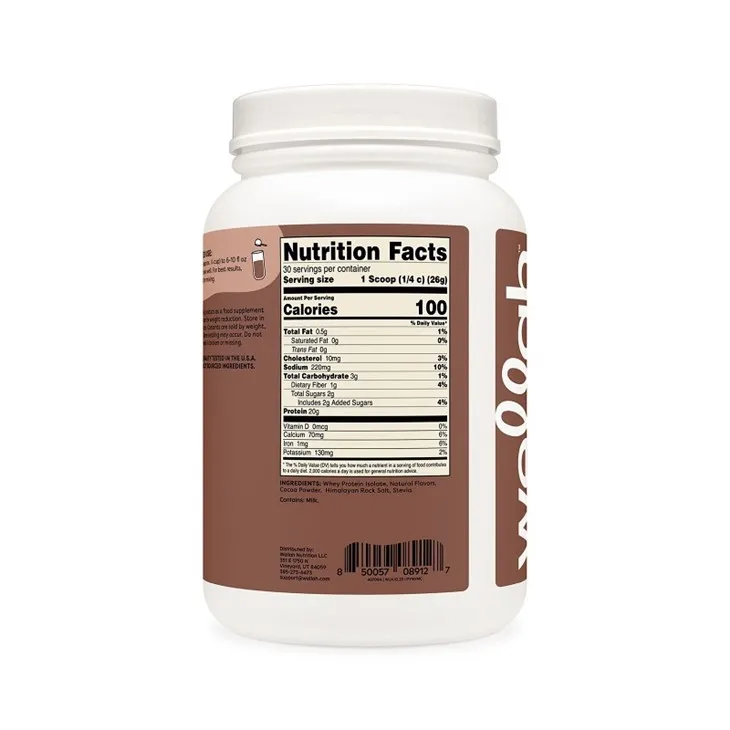
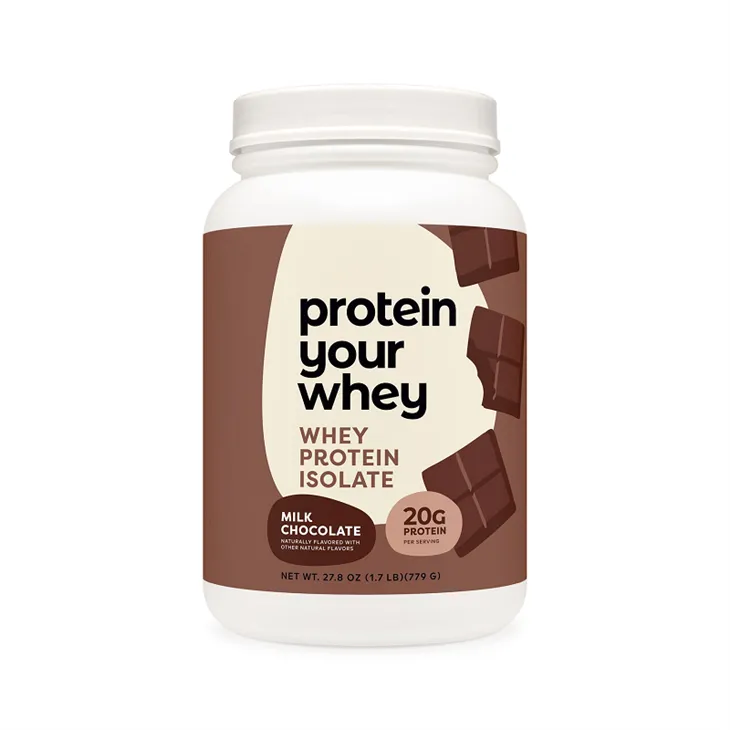
If you're interested in our protein powder products, especially Protein Your Whey Powders, and you have questions about how they might fit into your situation, don't hesitate to reach out. We're here to help you make the best decision for your health. Whether you're a fitness buff or just looking to improve your overall nutrition, we've got the right protein powder for you. Let's start a conversation and see how we can work together to meet your protein needs.
References:
- "The Role of Protein in Liver Health" - Journal of Hepatology
- "Protein Supplementation and Liver Function" - American Journal of Clinical Nutrition
- "Nutritional Management of Liver Diseases" - World Journal of Gastroenterology