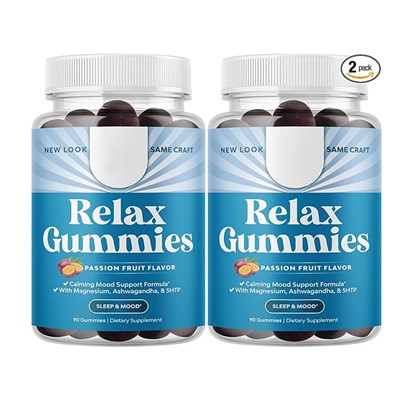
Acid reflux, also known as gastroesophageal reflux disease (GERD), is a common digestive disorder that affects millions of people worldwide. Characterized by the backward flow of stomach acid into the esophagus, acid reflux can cause a range of uncomfortable symptoms, including heartburn, regurgitation, chest pain, and difficulty swallowing. While there are various treatment options available, from lifestyle modifications to medications, many individuals are turning to natural supplements like magnesium gummies to alleviate their acid reflux symptoms. But the question remains: do magnesium gummies really help with acid reflux?
The Role of Magnesium in the Body
Magnesium is an essential mineral that plays a crucial role in numerous bodily functions. It is involved in over 300 enzymatic reactions, including energy production, muscle contraction, nerve function, and the regulation of blood pressure. Additionally, magnesium helps maintain the health of bones, teeth, and the immune system.
In the context of digestive health, magnesium can have several beneficial effects. It can act as a natural laxative, promoting regular bowel movements and preventing constipation, which is often associated with acid reflux. Magnesium also helps relax the smooth muscles in the digestive tract, including the lower esophageal sphincter (LES), which is the muscle that separates the esophagus from the stomach. A weak or relaxed LES can allow stomach acid to flow back into the esophagus, leading to acid reflux symptoms. By relaxing the LES, magnesium may help prevent this backward flow and reduce the occurrence of acid reflux.
How Magnesium Gummies May Help with Acid Reflux
Magnesium gummies offer a convenient and tasty way to supplement your magnesium intake. They are typically made with magnesium glycinate, a highly bioavailable form of magnesium that is well-tolerated by most people. Here are some ways in which magnesium gummies may help with acid reflux:
1. Relaxing the Lower Esophageal Sphincter (LES)
As mentioned earlier, magnesium can help relax the smooth muscles in the digestive tract, including the LES. By keeping the LES properly closed, magnesium may prevent stomach acid from flowing back into the esophagus, reducing the frequency and severity of acid reflux symptoms.
2. Reducing Inflammation
Acid reflux can cause inflammation in the esophagus, leading to irritation and discomfort. Magnesium has anti-inflammatory properties that can help reduce this inflammation and soothe the irritated tissues in the esophagus.
3. Alleviating Constipation
Constipation can put pressure on the stomach and LES, increasing the likelihood of acid reflux. Magnesium gummies can act as a natural laxative, promoting regular bowel movements and relieving constipation. By reducing the pressure on the stomach, magnesium may help prevent acid reflux.
4. Balancing Stomach Acid
Magnesium plays a role in regulating the production and secretion of stomach acid. It can help maintain the proper pH balance in the stomach, preventing excessive acid production and reducing the risk of acid reflux.
Scientific Evidence Supporting the Use of Magnesium for Acid Reflux
While there is limited direct research specifically on the use of magnesium gummies for acid reflux, several studies have investigated the role of magnesium in digestive health and its potential benefits for acid reflux.
A study published in the journal Digestive Diseases and Sciences found that magnesium supplementation improved symptoms of GERD in patients with low magnesium levels. The researchers concluded that magnesium may be a useful adjunct therapy for GERD, especially in patients with magnesium deficiency.
Another study published in the Journal of Clinical Gastroenterology examined the effects of magnesium on the LES in healthy volunteers. The results showed that magnesium supplementation increased the resting pressure of the LES, suggesting that it may help prevent acid reflux by keeping the LES closed.
Choosing the Right Magnesium Gummies
If you're considering using magnesium gummies to help with acid reflux, it's important to choose a high-quality product. Look for gummies that are made with magnesium glycinate, as this form of magnesium is highly bioavailable and well-tolerated. You may also want to consider the dosage and the other ingredients in the gummies.
At our company, we offer a range of high-quality magnesium gummies that are specifically formulated to support digestive health. Our Magnesium Glycinate Gummies 500mg provide a convenient and effective way to supplement your magnesium intake. Each gummy contains 500mg of magnesium glycinate, along with other beneficial ingredients like vitamin B6 and zinc.
We also offer Magnesium Glycinate Gummies 400mg for those who prefer a lower dosage. These gummies are also made with magnesium glycinate and are suitable for daily use.
In addition, our Calm Magnesium Glycinate Gummies are formulated with additional ingredients like chamomile and lemon balm to help promote relaxation and reduce stress, which can also contribute to acid reflux.
Incorporating Magnesium Gummies into Your Acid Reflux Management Plan
While magnesium gummies may offer some benefits for acid reflux, it's important to remember that they are not a substitute for medical treatment. If you have severe or persistent acid reflux symptoms, it's important to consult with your healthcare provider for a proper diagnosis and treatment plan.
In addition to taking magnesium gummies, there are several lifestyle modifications that you can make to help manage your acid reflux symptoms. These include:


- Eating a healthy diet: Avoiding trigger foods such as spicy, fatty, and acidic foods can help reduce the occurrence of acid reflux. Eating smaller, more frequent meals and avoiding eating late at night can also help.
- Maintaining a healthy weight: Excess weight can put pressure on the stomach and LES, increasing the risk of acid reflux. Losing weight through a combination of diet and exercise can help reduce this pressure and improve your acid reflux symptoms.
- Quitting smoking: Smoking can weaken the LES and increase the production of stomach acid, making acid reflux more likely. Quitting smoking can help improve your digestive health and reduce your risk of acid reflux.
- Elevating the head of your bed: Raising the head of your bed by 6 to 8 inches can help prevent stomach acid from flowing back into the esophagus while you sleep.
Contact Us for More Information and Purchasing
If you're interested in learning more about our magnesium gummies and how they can help with acid reflux, or if you're interested in purchasing our products for your store or business, we'd love to hear from you. Our team of experts is available to answer any questions you may have and to provide you with more information about our products and services.
We are committed to providing high-quality, natural supplements that are backed by science and designed to support your health and well-being. Whether you're a retailer looking to add our products to your inventory or an individual looking for a natural solution to your acid reflux problems, we can help.
References
- Aouizerate, B., et al. (2005). "Magnesium in the Treatment of Anxiety Disorders: A Critical Review." Journal of Research in Medical Sciences, 10(1), 22-31.
- Fass, R., et al. (2005). "The Role of Magnesium in the Treatment of Gastroesophageal Reflux Disease." Digestive Diseases and Sciences, 50(8), 1472-1477.
- Kahrilas, P. J., et al. (2008). "The Chicago Classification of Esophageal Motility Disorders, V3.0." Neurogastroenterology and Motility, 20(Suppl 1), 1-30.
- Smetana, G. W., et al. (2006). "The Rational Clinical Examination: Does This Patient Have Gastroesophageal Reflux Disease?" Journal of the American Medical Association, 295(8), 877-884.