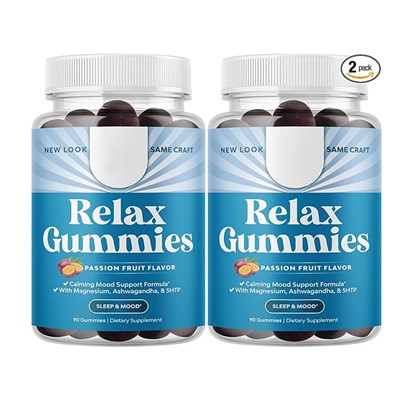
Multivitamins have long been a staple in the health and wellness industry, touted for their potential to fill nutritional gaps and support overall well - being. Among the many claims associated with multivitamins, one that has gained significant attention is their role in muscle recovery. As a multivitamins supplier, I've seen firsthand the increasing demand for products that can aid in this crucial process, especially among athletes, fitness enthusiasts, and those leading active lifestyles. In this blog, we'll explore the science behind whether multivitamins truly help with muscle recovery.
The Science of Muscle Recovery
Before delving into the role of multivitamins, it's essential to understand the muscle recovery process. When we engage in physical activity, especially high - intensity exercises like weightlifting or long - distance running, our muscle fibers undergo microscopic damage. This damage triggers an inflammatory response, which is a natural part of the body's healing process. During recovery, the body repairs and rebuilds these damaged muscle fibers, making them stronger and more resilient.
This process requires a variety of nutrients, including proteins, carbohydrates, and fats, which provide the energy and building blocks necessary for repair. Additionally, vitamins and minerals play a crucial role in many biochemical reactions involved in muscle repair and growth.
Key Vitamins and Minerals for Muscle Recovery
Vitamin C
Vitamin C is a powerful antioxidant that helps protect cells from oxidative stress caused by exercise. Oxidative stress can lead to inflammation and muscle damage, so by neutralizing free radicals, vitamin C may help reduce muscle soreness and speed up recovery. It is also involved in the synthesis of collagen, a protein that provides structure to muscles and connective tissues.
Vitamin D
Vitamin D is essential for calcium absorption, which is crucial for muscle contraction and relaxation. Low levels of vitamin D have been associated with muscle weakness and an increased risk of injury. Ensuring adequate vitamin D intake can support proper muscle function and aid in recovery.
B - Vitamins
The B - vitamin complex, including B1 (thiamine), B2 (riboflavin), B3 (niacin), B5 (pantothenic acid), B6, B9 (folate), and B12, is involved in energy metabolism. During exercise, our bodies rely on these vitamins to convert food into energy. They also play a role in the synthesis of neurotransmitters, which are important for muscle control.


Magnesium
Magnesium is involved in over 300 biochemical reactions in the body, many of which are related to muscle function. It helps regulate muscle contraction and relaxation, and it may also help reduce muscle cramps. Magnesium deficiency can lead to muscle weakness and fatigue, so maintaining optimal levels is important for recovery.
Zinc
Zinc is essential for protein synthesis, immune function, and wound healing. In the context of muscle recovery, it helps the body repair damaged muscle fibers and supports the immune system, which is important as exercise can temporarily suppress immune function.
Can Multivitamins Provide These Nutrients?
Multivitamins are formulated to provide a combination of essential vitamins and minerals. By taking a multivitamin, individuals can ensure they are getting a broad spectrum of nutrients that are important for muscle recovery. However, it's important to note that multivitamins are not a substitute for a balanced diet. A diet rich in fruits, vegetables, lean proteins, and whole grains should always be the foundation of good nutrition.
For those who may have difficulty meeting their nutritional needs through diet alone, such as vegetarians, vegans, or individuals with certain dietary restrictions, multivitamins can be a valuable addition. They can help fill in the gaps and provide the necessary nutrients to support muscle recovery.
Research on Multivitamins and Muscle Recovery
Several studies have investigated the effects of multivitamins on muscle recovery. While the results are mixed, some research suggests that taking multivitamins may have a positive impact.
A study published in the Journal of the International Society of Sports Nutrition found that athletes who took a multivitamin supplement for 12 weeks experienced less muscle soreness and faster recovery compared to those who took a placebo. Another study on military personnel showed that a multivitamin supplement improved physical performance and reduced the risk of injury during intense training.
However, it's important to interpret these results with caution. The effectiveness of multivitamins may depend on factors such as the individual's diet, exercise routine, and overall health status.
Our Multivitamin Products
As a multivitamins supplier, we offer a range of high - quality products designed to support muscle recovery and overall health. Our Top Women's Multivitamin Gummies are specifically formulated to meet the unique nutritional needs of women. They contain a blend of vitamins and minerals, including those mentioned above, to support muscle function and recovery.
Our Methyl Gummies are another great option. These gummies are rich in methylated forms of B - vitamins, which are more easily absorbed by the body. This can be especially beneficial for individuals with genetic variations that affect B - vitamin metabolism.
For those looking to support not only muscle recovery but also cognitive function, our Brain Vitamins Gummies are a great choice. They contain a combination of vitamins, minerals, and other nutrients that support both brain health and muscle function.
Conclusion
In conclusion, while multivitamins may not be a magic bullet for muscle recovery, they can play a valuable role in supporting the process. By providing a combination of essential vitamins and minerals, multivitamins can help ensure that the body has the necessary nutrients for muscle repair and growth. However, it's important to remember that a balanced diet and proper exercise routine are still the most important factors in achieving optimal muscle recovery.
If you're interested in learning more about our multivitamin products or have any questions about how they can support muscle recovery, we'd love to hear from you. Whether you're a retailer looking to stock our products or an individual interested in purchasing in bulk, we're here to assist you. Contact us to start a conversation about your multivitamin needs and explore how our products can benefit you or your customers.
References
- Journal of the International Society of Sports Nutrition, various studies on multivitamins and muscle recovery.
- Research on military personnel and multivitamin supplementation.